

Can nonionic dispersing agents be used in the energy industry?
Jun 26, 2025
Hey there! As a supplier of Nonionic Dispersing agents, I've been getting a lot of questions lately about whether these agents can be used in the energy industry. Well, let's dive right into it and explore this topic together.
First off, what are nonionic dispersing agents? Nonionic dispersing agents are a type of surfactant that don't have an electrical charge. They're super useful because they can reduce the surface tension between different substances, making it easier for them to mix together. This property comes in handy in all sorts of industries, and the energy sector is no exception.
In the oil and gas industry, one of the big challenges is dealing with emulsions. Emulsions are mixtures of two immiscible liquids, like oil and water. When oil is extracted from the ground, it often comes up with a lot of water, and these two need to be separated efficiently. Nonionic dispersing agents can play a crucial role here. They can break down the emulsions by reducing the interfacial tension between the oil and water droplets. This allows the oil and water to separate more easily, which is essential for further processing and refining.
For example, in enhanced oil recovery (EOR), nonionic dispersing agents can be injected into the reservoir along with other chemicals. They help to improve the mobility of the oil by reducing the viscosity and making it easier to flow through the porous rock formations. This means that more oil can be extracted from the reservoir, increasing the overall production efficiency.
Another area in the energy industry where nonionic dispersing agents are useful is in the production of biofuels. Biofuels are made from renewable sources like plants and algae, and the production process often involves dealing with complex mixtures. Nonionic dispersing agents can help to disperse the solid particles and droplets in these mixtures, ensuring a more homogeneous reaction and better yields. They can also prevent the formation of unwanted aggregates, which can clog up the production equipment and reduce the efficiency of the process.
Now, let's talk about some specific types of nonionic dispersing agents that are commonly used in the energy industry. One popular option is the Ethoxylated Propoxylated 2 4 7 9 Tetramethyl 5 Decyne 4 7 Diol. This compound has excellent wetting and dispersing properties, which make it suitable for a wide range of applications in the energy sector. It can be used in both oil-based and water-based systems, and it's effective at reducing the surface tension and improving the stability of the mixtures.
Nonionic Dispersing agents in general offer several advantages over other types of surfactants. They're less likely to react with other chemicals in the system, which means they can be used in a wider range of formulations. They also tend to be more environmentally friendly, as they don't contain any charged ions that could potentially cause pollution or corrosion.
In addition to the oil and gas and biofuel industries, nonionic dispersing agents can also find applications in the power generation sector. For example, in coal-fired power plants, coal is often pulverized into a fine powder before being burned. Nonionic dispersing agents can be used to disperse the coal particles in the water-based slurry, which is then fed into the boiler. This helps to improve the combustion efficiency and reduce the emissions of pollutants.
Another interesting application is in the development of new energy storage technologies, such as batteries. Nonionic dispersing agents can be used to disperse the active materials in the battery electrodes, ensuring better contact between the particles and improving the overall performance of the battery.
However, it's important to note that choosing the right nonionic dispersing agent for a specific application in the energy industry requires careful consideration. Factors like the type of fluid, the temperature and pressure conditions, and the presence of other chemicals in the system all need to be taken into account. That's where our expertise as a Nonionic Dispersing supplier comes in. We have a wide range of products to choose from, and we can work with you to find the best solution for your needs.
We also offer Gemini Surfactant options, which are a special type of nonionic dispersing agent with unique properties. Gemini surfactants have two hydrophilic heads and two hydrophobic tails, which gives them enhanced surface activity and better performance in some applications compared to traditional nonionic surfactants.
If you're in the energy industry and you're looking for high-quality nonionic dispersing agents, we'd love to hear from you. Whether you're dealing with oil and gas production, biofuel manufacturing, power generation, or energy storage, we have the products and the knowledge to help you improve your processes and achieve better results. Contact us today to start a conversation about your specific requirements and how we can assist you.
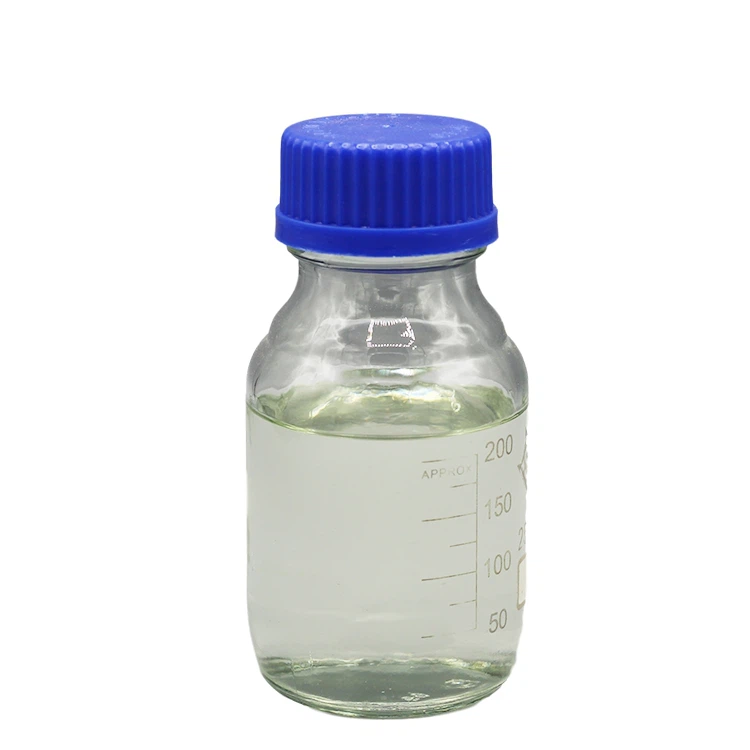
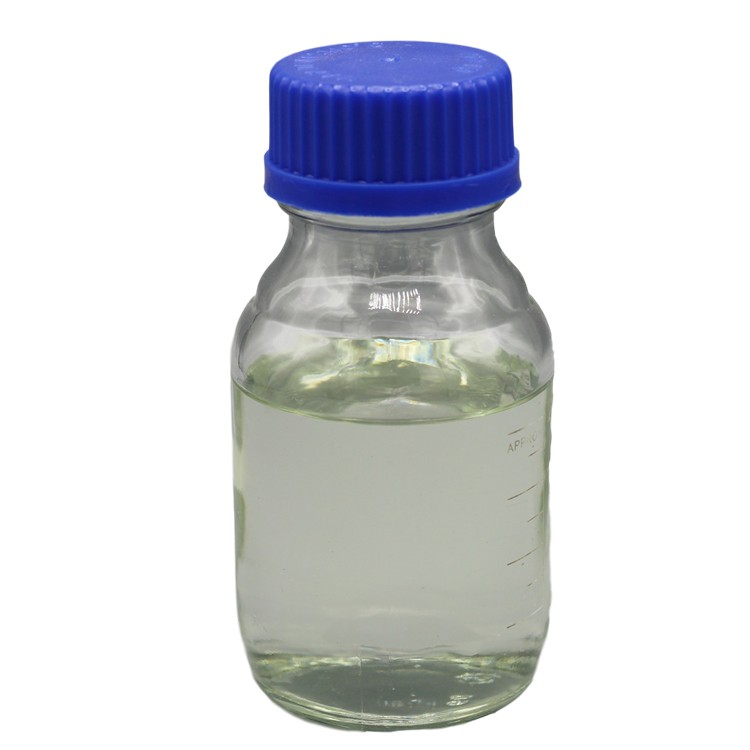
In conclusion, nonionic dispersing agents definitely have a place in the energy industry. Their unique properties make them valuable for a variety of applications, from oil and gas extraction to power generation and energy storage. As the energy industry continues to evolve and face new challenges, the demand for these agents is likely to grow. So, if you're looking for a reliable supplier of nonionic dispersing agents, don't hesitate to reach out.
References
- Smith, J. (2018). Surfactants in the Energy Industry. Journal of Energy Science, 15(2), 123-135.
- Johnson, A. (2019). Nonionic Dispersing Agents for Enhanced Oil Recovery. Oil and Gas Technology Review, 22(3), 45-56.
- Brown, C. (2020). Applications of Nonionic Surfactants in Biofuel Production. Renewable Energy Journal, 30(4), 234-245.