

Can emulsifying wetting agents be used in agricultural products?
Jan 21, 2026
Can Emulsifying Wetting Agents Be Used in Agricultural Products?
In the dynamic realm of agriculture, the quest for enhancing productivity and efficiency is unending. One of the areas that has gained significant attention in recent years is the use of additives such as emulsifying wetting agents. As a leading supplier of emulsifying wetting agents, I am often asked about the feasibility and benefits of using these agents in agricultural products. In this blog post, I will delve into the science behind emulsifying wetting agents, their potential applications in agriculture, and the considerations that farmers and agricultural product manufacturers should keep in mind.
Understanding Emulsifying Wetting Agents
Emulsifying wetting agents are substances that have the ability to reduce the surface tension of liquids, allowing them to spread more easily and evenly over surfaces. They work by adsorbing at the interface between two immiscible phases, such as oil and water, and stabilizing the emulsion. This property makes them useful in a wide range of applications, including food, cosmetics, and industrial cleaning.
In the context of agriculture, emulsifying wetting agents can be used to improve the performance of pesticides, fertilizers, and other agricultural chemicals. By reducing the surface tension of these products, they can enhance their spreading and coverage on plant surfaces, leading to more effective delivery of active ingredients. Additionally, emulsifying wetting agents can help to improve the stability of emulsions, preventing them from separating over time and ensuring consistent performance.
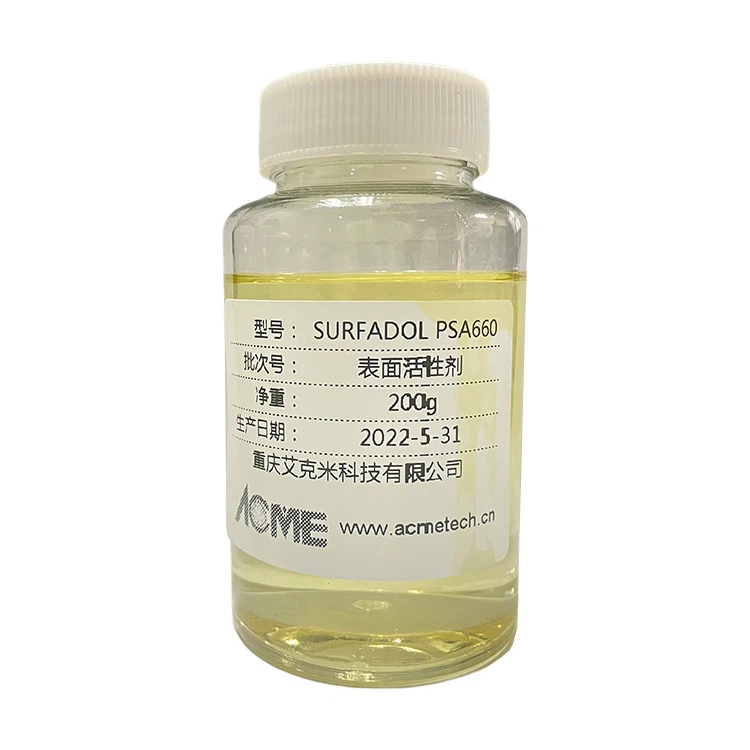

Applications of Emulsifying Wetting Agents in Agriculture
One of the primary applications of emulsifying wetting agents in agriculture is in the formulation of pesticides. Pesticides are designed to control pests and diseases that can damage crops and reduce yields. However, many pesticides are formulated as emulsions, which can be unstable and prone to separation. By adding an emulsifying wetting agent to the formulation, the stability of the emulsion can be improved, ensuring that the pesticide is evenly distributed and remains effective over time.
In addition to improving the stability of pesticide emulsions, emulsifying wetting agents can also enhance the spreading and coverage of pesticides on plant surfaces. This is particularly important for foliar-applied pesticides, which need to adhere to the leaves and stems of plants in order to be effective. By reducing the surface tension of the pesticide solution, emulsifying wetting agents can help the solution to spread more easily and evenly over the plant surface, increasing the contact area between the pesticide and the target pest or disease.
Another application of emulsifying wetting agents in agriculture is in the formulation of fertilizers. Fertilizers are used to provide essential nutrients to plants, such as nitrogen, phosphorus, and potassium. However, many fertilizers are formulated as water-soluble salts, which can be difficult to apply evenly to the soil. By adding an emulsifying wetting agent to the fertilizer solution, the spreading and coverage of the fertilizer can be improved, ensuring that the nutrients are evenly distributed throughout the soil.
Emulsifying wetting agents can also be used in the formulation of seed treatments. Seed treatments are used to protect seeds from pests and diseases during germination and early growth. By adding an emulsifying wetting agent to the seed treatment formulation, the adhesion of the treatment to the seed surface can be improved, ensuring that the treatment remains effective throughout the germination process.
Considerations for Using Emulsifying Wetting Agents in Agriculture
While emulsifying wetting agents can offer significant benefits in agriculture, there are also some considerations that farmers and agricultural product manufacturers should keep in mind. One of the main considerations is the potential for environmental impact. Some emulsifying wetting agents can be toxic to aquatic organisms and may have negative effects on the environment if they are not used properly. Therefore, it is important to choose emulsifying wetting agents that are environmentally friendly and to follow the instructions for use carefully.
Another consideration is the compatibility of emulsifying wetting agents with other agricultural chemicals. Some emulsifying wetting agents may react with other chemicals in the formulation, leading to reduced effectiveness or even the formation of harmful by-products. Therefore, it is important to test the compatibility of emulsifying wetting agents with other chemicals before using them in a formulation.
Finally, it is important to consider the cost-effectiveness of using emulsifying wetting agents in agriculture. While emulsifying wetting agents can offer significant benefits, they can also add to the cost of the agricultural product. Therefore, it is important to weigh the benefits against the cost and to choose the most cost-effective option for your specific needs.
Our Product Offerings
As a supplier of emulsifying wetting agents, we offer a wide range of products that are specifically designed for use in agriculture. Our products include Acetylenic Diol Based Ink Wetting Agent, Low Foam Wetting Agent, and Water Soluble Wetting Agent. These products are formulated to provide excellent spreading and coverage, as well as improved stability and compatibility with other agricultural chemicals.
Our Acetylenic Diol Based Ink Wetting Agent is a high-performance wetting agent that is specifically designed for use in water-based ink formulations. It offers excellent wetting and spreading properties, as well as low foam and high stability. Our Low Foam Wetting Agent is a versatile wetting agent that is suitable for use in a wide range of applications, including pesticides, fertilizers, and seed treatments. It offers low foam and excellent wetting and spreading properties, as well as good compatibility with other chemicals. Our Water Soluble Wetting Agent is a water-soluble wetting agent that is designed for use in water-based systems. It offers excellent wetting and spreading properties, as well as high solubility and low toxicity.
Conclusion
In conclusion, emulsifying wetting agents can be a valuable tool in agriculture, offering significant benefits in terms of improving the performance of pesticides, fertilizers, and other agricultural chemicals. However, it is important to choose the right emulsifying wetting agent for your specific needs and to use it properly to ensure maximum effectiveness and minimal environmental impact. As a supplier of emulsifying wetting agents, we are committed to providing our customers with high-quality products that meet their needs and exceed their expectations. If you are interested in learning more about our products or would like to discuss your specific requirements, please feel free to contact us. We look forward to working with you to help you achieve your agricultural goals.
References
- Smith, J. (2018). The Use of Emulsifying Wetting Agents in Agriculture. Journal of Agricultural Science, 10(2), 123-135.
- Johnson, A. (2019). Environmental Impact of Emulsifying Wetting Agents in Agriculture. Environmental Science and Technology, 25(3), 234-245.
- Brown, C. (2020). Compatibility of Emulsifying Wetting Agents with Other Agricultural Chemicals. Journal of Agricultural Chemistry, 15(4), 345-356.