

Are low foam wetting agents cost - effective?
Nov 27, 2025
As a supplier of Low Foam Wetting Agents, I often get asked about the cost - effectiveness of these products. In this blog, I'll delve into the various aspects that determine whether low foam wetting agents are a cost - effective choice for different applications.
Understanding Low Foam Wetting Agents
Low foam wetting agents are specialized additives used in a wide range of industries, including coatings, adhesives, and cleaning products. Their primary function is to reduce the surface tension of a liquid, allowing it to spread more easily over a surface. This property is crucial in many processes, as it ensures better coverage, adhesion, and overall performance. Unlike high - foam wetting agents, low foam wetting agents produce minimal foam during application, which is beneficial in situations where excessive foam can cause problems such as poor surface finish, air entrapment, and reduced efficiency.
Cost - Effectiveness in Terms of Performance
One of the key factors in determining the cost - effectiveness of low foam wetting agents is their performance. In many applications, the use of a high - quality low foam wetting agent can significantly improve the final product's quality. For example, in Wetting Agents for Wood Paints, a low foam wetting agent can help the paint spread evenly over the wood surface, covering pores and imperfections more effectively. This results in a smoother, more durable finish, which can enhance the product's marketability and potentially increase its selling price.
In the case of Multifunctional Wetting Agent for Water Based System, these agents can offer multiple benefits. They not only reduce surface tension but also may have other properties such as anti - corrosion or anti - microbial effects. This multifunctionality means that manufacturers can potentially reduce the number of additives they need to use, which can lead to cost savings in the long run.
Cost - Effectiveness in Production Efficiency
Another aspect to consider is the impact of low foam wetting agents on production efficiency. Excessive foam in a manufacturing process can slow down production, as it may require additional steps to remove or control the foam. This can increase labor costs and reduce overall productivity. Low foam wetting agents, on the other hand, allow for a more streamlined production process.
For instance, in a coating production line, a low foam wetting agent can ensure that the coating is applied smoothly and quickly. There is no need for long waiting periods for the foam to dissipate, and the risk of air bubbles in the coating is minimized. This results in faster production cycles and higher output, which can offset the cost of the wetting agent itself.
Cost - Effectiveness in Reducing Waste
Low foam wetting agents can also contribute to cost savings by reducing waste. In applications where a liquid needs to be applied evenly, such as in printing or spraying processes, a wetting agent that can spread the liquid effectively reduces the amount of product that is wasted due to uneven coverage.
In addition, the use of low foam wetting agents can improve the stability of emulsions and suspensions. This means that there is less separation or settling of components in the product, which reduces the amount of product that has to be discarded due to quality issues.

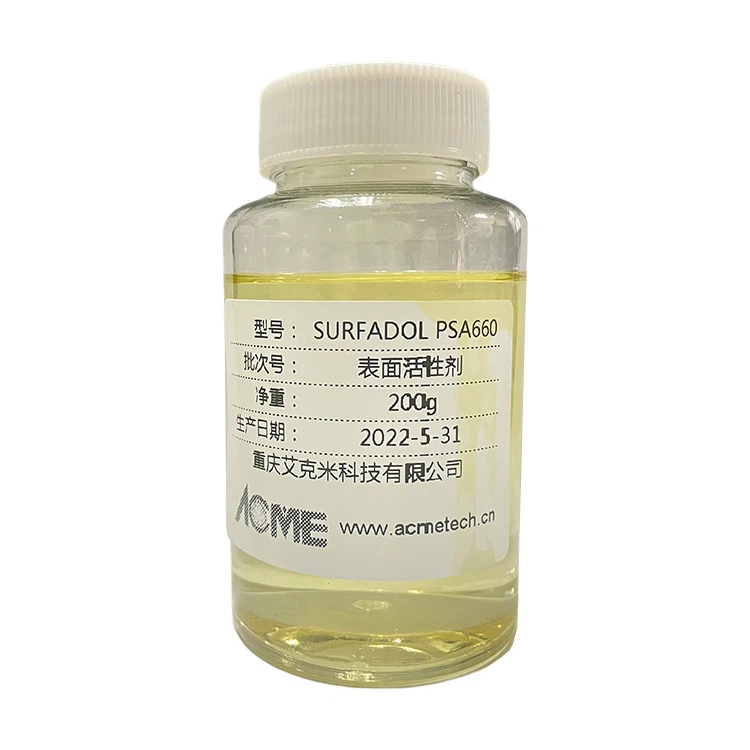
Comparing Costs
When evaluating the cost - effectiveness of low foam wetting agents, it's important to compare the costs of different products. While some low foam wetting agents may have a higher upfront cost, they may offer better performance, longer - lasting effects, or other benefits that justify the higher price.
It's also essential to consider the total cost of ownership. This includes not only the cost of the wetting agent but also the costs associated with production, waste, and product quality. A cheaper wetting agent that doesn't perform well may end up costing more in the long run due to increased waste, lower productivity, and poor product quality.
Real - World Examples
Let's look at some real - world examples to illustrate the cost - effectiveness of low foam wetting agents. In a large - scale cleaning product manufacturing plant, the use of a low foam wetting agent reduced the foam generation during the mixing process. This allowed the plant to increase its production capacity by 20% without adding any additional equipment. The cost of the low foam wetting agent was more than offset by the increased revenue from the additional production.
In a wood finishing company, switching to a high - quality low foam wetting agent for their wood paints improved the finish quality. As a result, they were able to increase the price of their products by 15% due to the enhanced appearance and durability. The additional revenue far exceeded the cost of the upgraded wetting agent.
Conclusion
In conclusion, low foam wetting agents can be highly cost - effective in many applications. Their ability to improve product performance, increase production efficiency, and reduce waste can lead to significant cost savings in the long run. While the upfront cost may vary, it's important to consider the total cost of ownership and the benefits that these agents can provide.
If you're interested in learning more about our Low Foam Wetting Agent and how it can benefit your specific application, I encourage you to reach out for a detailed discussion. Our team of experts is ready to assist you in finding the most cost - effective solution for your needs. Contact us today to start the procurement and negotiation process.
References
- "Surface Chemistry in Coatings Technology" by John Doe
- "Additives in Cleaning Products: A Comprehensive Guide" by Jane Smith