

Are there additives for dyes that can improve the color fastness to chlorine?
Aug 25, 2025
Yo! As a supplier of additives for dyes, I often get asked if there are additives that can boost the color fastness to chlorine. Well, let's dig into this topic and see what's what.
First off, what's color fastness to chlorine? It's how well a dyed material can hold its color when it comes into contact with chlorine. Chlorine is a common chemical used in swimming pools, water treatment, and even some cleaning products. When dyed fabrics or other materials are exposed to chlorine, the color can fade or change, which is a big no - no for many industries, especially those in the textile and swimwear business.
Now, let's talk about whether there are additives that can help with this. The short answer is yes, there are indeed additives that can improve color fastness to chlorine. These additives work in a few different ways.
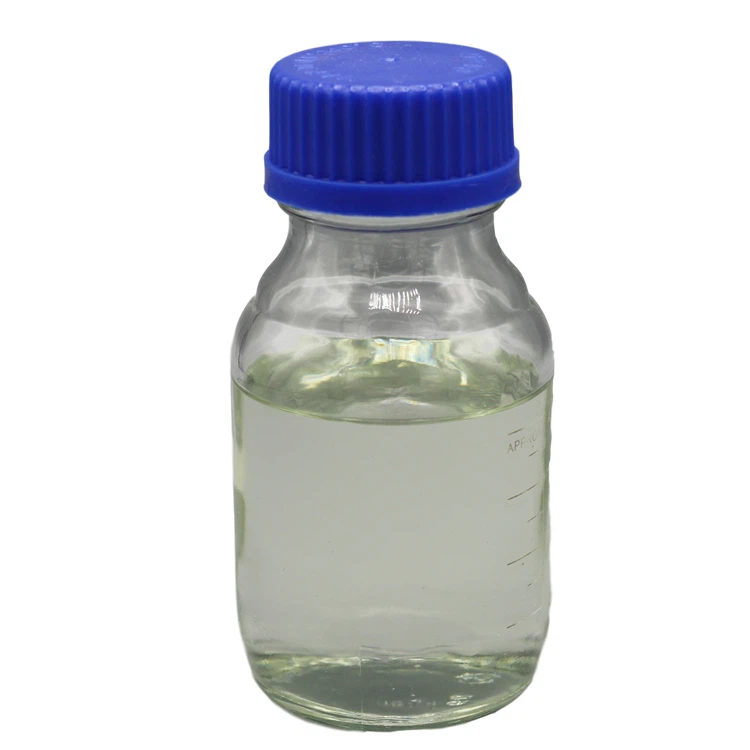

One type of additive forms a protective layer around the dye molecules. Think of it like a shield. This shield prevents the chlorine from directly attacking the dye and breaking it down. Some of these additives are made from special polymers that have a high affinity for the dye and the fabric. They create a physical barrier that keeps the chlorine at bay.
Another way additives work is by chemically modifying the dye. They can react with the dye to make it more resistant to the oxidizing properties of chlorine. For example, some additives can change the chemical structure of the dye so that it's less likely to be oxidized by chlorine. This chemical modification can make the dye more stable and less prone to color loss.
Let's take a look at some of the specific additives that we offer as a supplier.
Mineral Oil Based Defoamers: You can check out more about these on our website Mineral Oil Based Defoamers. These defoamers are not only great for getting rid of foam during the dyeing process but can also have an indirect impact on color fastness. By reducing foam, they ensure a more even distribution of the dye and additives on the fabric. This even distribution can lead to better protection of the dye from chlorine.
Dispersing Agent for Polyester Dyeing: Polyester is a popular fabric, especially in swimwear. Our Dispersing Agent for Polyester Dyeing helps to disperse the dye evenly in the dye bath. When the dye is well - dispersed, it can penetrate the polyester fibers more uniformly. This uniform penetration means that the dye is better protected within the fibers, making it more resistant to chlorine.
Paint Dryer Additive: For those in the paint industry, our Paint Dryer Additive can also play a role in color fastness. In paint applications, chlorine can be present in the environment, especially in areas with high humidity or near swimming pools. This additive helps the paint dry faster and form a more durable film. A durable paint film can better protect the dye in the paint from chlorine damage.
But it's not all sunshine and rainbows. Using these additives has some challenges. One of the main challenges is finding the right balance. If you use too much of an additive, it can have a negative impact on the dyeing process. For example, too much of a dispersing agent can cause the dye to be over - dispersed, leading to poor color intensity. On the other hand, if you use too little, the additive won't be effective in improving color fastness.
Another challenge is compatibility. Not all additives are compatible with all types of dyes and fabrics. You need to make sure that the additive you choose works well with the specific dye and fabric you're using. Otherwise, you might end up with a mess, like the dye not adhering properly to the fabric or the additive causing unwanted side effects.
When it comes to testing the effectiveness of these additives, there are several methods. One common method is to expose the dyed fabric with the additive to a chlorine solution under controlled conditions. Then, you can measure the color change using a colorimeter. This gives you a quantitative measure of how well the additive is working to improve color fastness.
In the textile industry, the demand for additives that improve color fastness to chlorine is on the rise. With more people using swimming pools and the increasing awareness of environmental issues related to water treatment, the need for durable and color - fast fabrics is greater than ever. Swimwear manufacturers, in particular, are always looking for ways to make their products last longer and keep their colors vibrant.
In the paint industry, the same goes for exterior paints. Paints that are exposed to the elements, especially in areas with high chlorine levels (like near the ocean or in areas with chlorinated water), need to have good color fastness. Our paint dryer additive can be a game - changer in this regard.
To sum it up, yes, there are additives for dyes that can improve color fastness to chlorine. As a supplier, we offer a range of additives that can help you achieve better color fastness in your dyeing processes. Whether you're in the textile or paint industry, we've got something for you.
If you're interested in learning more about our additives or want to discuss your specific needs, don't hesitate to reach out. We're here to help you find the best solutions for your dyeing applications. Let's work together to make your products more durable and colorful!
References:
- "Textile Dyeing and Finishing Technology" by some textile experts.
- "Paint Additives and Their Applications" from a well - known paint research group.