

Can additives for inkjet inks be used in paperboard printing?
Oct 30, 2025
Hey there! I'm a supplier of additives for inkjet inks, and I often get asked if these additives can be used in paperboard printing. It's a great question, and in this blog post, I'm gonna dig deep into this topic to give you the lowdown.
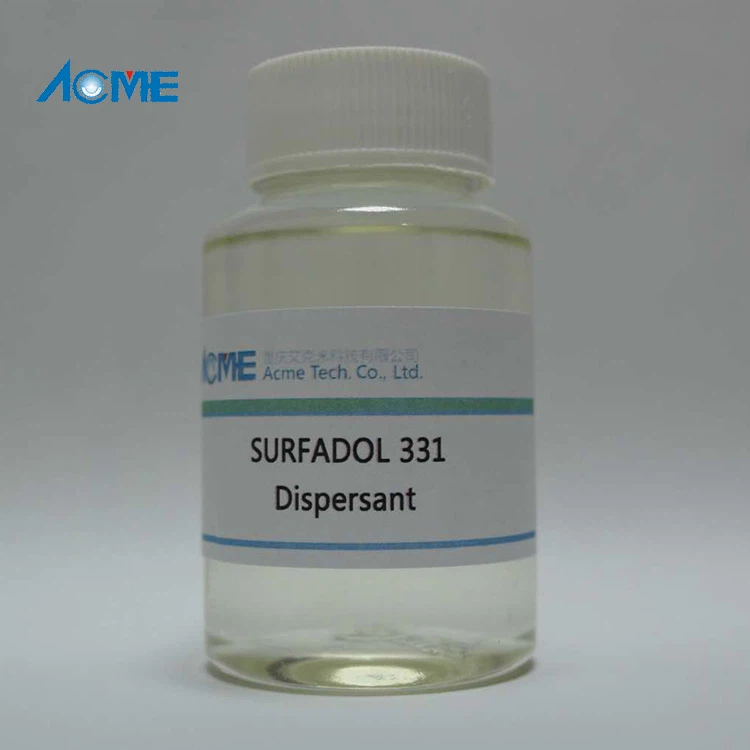
Let's start by understanding what inkjet ink additives are. These are substances that we add to inkjet inks to enhance their performance. You've got Inkjet Additive, which can improve the flow and drying properties of the ink. Then there's the Water-based Adhesive Defoamer, which helps get rid of those pesky air bubbles in the ink, ensuring a smooth printing process. And don't forget about Superior Surfactants for Inkjet Inks, which can reduce surface tension and improve the wetting ability of the ink on different substrates.
Now, let's talk about paperboard printing. Paperboard is a thicker and more rigid form of paper, often used for packaging, boxes, and displays. Printing on paperboard has its own set of challenges. The surface of paperboard can be rough, porous, or have a coating, all of which can affect how the ink adheres and spreads.
So, can we use inkjet ink additives in paperboard printing? Well, the short answer is it depends. Some additives can work well in paperboard printing, while others might not be the best fit.
Let's take a look at the potential benefits of using inkjet ink additives in paperboard printing. First off, additives can improve the adhesion of the ink to the paperboard. If the ink doesn't stick properly, you'll end up with smudging, fading, or uneven printing. By using additives like adhesion promoters, we can ensure that the ink bonds well with the paperboard surface, resulting in a more durable and high-quality print.
Secondly, additives can enhance the drying speed of the ink. Paperboard printing often requires a fast turnaround time, especially in high-volume production. Faster drying inks mean that the printed paperboard can be handled, stacked, and further processed more quickly. Additives like drying accelerators can help achieve this, reducing the risk of smudging during handling.
Another benefit is improved print quality. Additives can help control the spread of the ink on the paperboard. If the ink spreads too much, the image or text can become blurry. On the other hand, if it doesn't spread enough, you might get gaps or uneven coverage. Surfactants can help regulate the spreading of the ink, ensuring a sharp and clear print.
However, there are also some challenges and considerations when using inkjet ink additives in paperboard printing. One major issue is compatibility. Not all additives are compatible with all types of paperboard. Some paperboard might have a coating that reacts with certain additives, causing discoloration, chemical changes, or reduced print quality. It's crucial to test the additives on a small sample of the paperboard before full-scale production to ensure compatibility.
The cost is another factor. Some additives can be quite expensive, and using them in paperboard printing might increase the overall production cost. You need to weigh the benefits against the cost to determine if it's worth it. If the improvement in print quality and performance justifies the additional cost, then it might be a good investment.
Environmental concerns are also important. As more and more companies are looking for sustainable printing solutions, the environmental impact of the additives needs to be considered. Some additives might contain harmful chemicals that can be released into the environment during the printing process or when the paperboard is disposed of. It's essential to choose additives that are eco-friendly and comply with environmental regulations.

In my experience as a supplier, I've seen both successful and not-so-successful attempts at using inkjet ink additives in paperboard printing. One of my clients was printing high-end packaging boxes on coated paperboard. They were having issues with the ink not adhering well and drying too slowly. We recommended using an adhesion promoter and a drying accelerator from our product line. After some testing and adjustments, they were able to achieve a significant improvement in print quality and production speed. The boxes looked great, and the client was very happy with the results.
On the other hand, I had another client who tried using a surfactant additive on uncoated paperboard. The surfactant caused the ink to spread too much, resulting in blurry prints. We had to work together to find a different additive that was more suitable for the uncoated paperboard surface.
So, if you're thinking about using inkjet ink additives in your paperboard printing, here are some tips. First, do your research. Understand the properties of the paperboard you're using, including its surface texture, porosity, and coating. This will help you choose the right additives. Second, test the additives on a small sample. This will save you time, money, and headaches in the long run. Third, work closely with your additive supplier. We're here to help you find the best solutions for your specific printing needs.
In conclusion, while it's possible to use inkjet ink additives in paperboard printing, it's not a one-size-fits-all solution. You need to carefully consider the type of paperboard, the printing requirements, the compatibility of the additives, the cost, and the environmental impact. With the right approach and the right additives, you can achieve excellent results in paperboard printing.
If you're interested in learning more about our inkjet ink additives or want to discuss how they can be used in your paperboard printing process, feel free to reach out. We'd love to have a chat and see how we can help you take your paperboard printing to the next level.
References
- Smith, J. (2020). Inkjet Printing Technology. New York: Printing Press.
- Johnson, A. (2019). Additives in Printing Inks. London: Ink Publishing.