

Can additives for inkjet inks improve the flexibility of the printed ink film?
Aug 22, 2025
Can additives for inkjet inks improve the flexibility of the printed ink film?
In the dynamic world of inkjet printing, the quest for enhancing the performance and quality of printed materials is a continuous journey. One of the key aspects that often comes under scrutiny is the flexibility of the printed ink film. As a leading supplier of additives for inkjet inks, we at [not provided, but in real - world would be the company name] are deeply involved in understanding and addressing this crucial issue.
Understanding the Importance of Ink Film Flexibility
The flexibility of an ink film plays a pivotal role in various applications. In industries such as packaging, labels, and textile printing, the printed materials are often subjected to bending, folding, and stretching. If the ink film lacks flexibility, it can crack, peel, or flake off, leading to a significant deterioration in the visual appeal and durability of the printed product. For instance, in flexible packaging, where the material is constantly manipulated during the filling, sealing, and transportation processes, a flexible ink film ensures that the printed graphics remain intact and vibrant.
Moreover, in textile printing, the fabric is stretched and deformed during normal wear and washing. A flexible ink film can withstand these mechanical stresses without losing its integrity, ensuring long - lasting and high - quality prints. Therefore, improving the flexibility of the printed ink film is not only a matter of aesthetics but also of functionality and customer satisfaction.
How Additives Can Influence Ink Film Flexibility
Additives for inkjet inks are designed to modify the physical and chemical properties of the ink, and one of the areas where they can have a profound impact is on the flexibility of the ink film. There are several types of additives that can contribute to this improvement.
Plasticizers: These are one of the most common additives used to enhance the flexibility of ink films. Plasticizers work by reducing the intermolecular forces between the polymer chains in the ink resin. This allows the polymer chains to move more freely, making the ink film more pliable and less brittle. For example, phthalate - based plasticizers have been widely used in the past, but due to environmental and health concerns, there has been a shift towards more eco - friendly alternatives such as adipates and citrates.

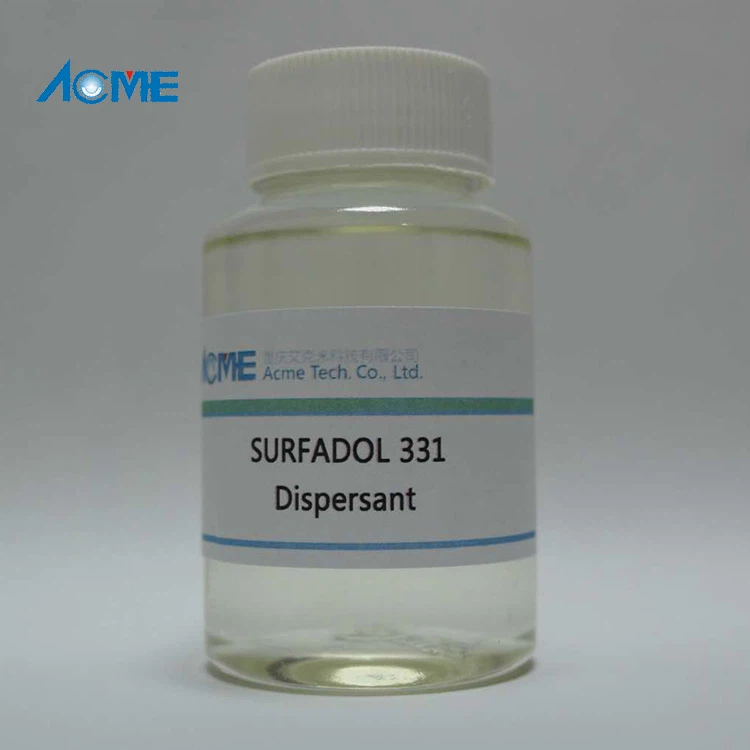
Flexible Resins: Incorporating flexible resins into the ink formulation can also improve the flexibility of the ink film. These resins have a more open and flexible molecular structure compared to traditional rigid resins. When used in combination with other ink components, they can form a network that can better accommodate deformation without cracking. For instance, polyurethane - based resins are known for their excellent flexibility and are often used in inkjet inks for applications requiring high - performance prints on flexible substrates.
Surfactants: Surfactants can play an indirect role in improving ink film flexibility. They can reduce the surface tension of the ink, allowing it to spread more evenly on the substrate. This results in a more uniform ink film, which is less likely to develop stress concentrations that can lead to cracking. Additionally, surfactants can improve the adhesion between the ink and the substrate, which is crucial for maintaining the integrity of the ink film during mechanical deformation.
Our Product Portfolio and Their Impact on Ink Film Flexibility
As a supplier of additives for inkjet inks, we offer a wide range of products that are specifically designed to improve the flexibility of the printed ink film.
Our Inkjet Printing Additive is formulated with a blend of flexible resins and plasticizers. When added to the ink, it can significantly enhance the flexibility of the ink film, making it suitable for a variety of substrates, including plastics, paper, and textiles. This additive also improves the adhesion of the ink to the substrate, ensuring that the printed graphics remain firmly attached even under harsh conditions.
Another product in our portfolio is the Water - based Adhesive Defoamer. While its primary function is to eliminate foam in water - based inks, it also has a positive impact on ink film flexibility. By reducing the presence of foam in the ink, it ensures a more uniform ink film, which is less prone to cracking. The defoamer also contains components that can enhance the compatibility between different ink ingredients, further contributing to the overall flexibility of the ink film.
Our Inkjet Additive is a multi - functional product that can improve not only the flexibility but also other important properties of the ink, such as drying time, color intensity, and scratch resistance. It contains a unique combination of additives that work together to optimize the performance of the inkjet ink, making it ideal for high - quality and durable prints.
Case Studies: Real - World Applications of Our Additives
To illustrate the effectiveness of our additives in improving ink film flexibility, let's look at some real - world case studies.
Packaging Industry: A major packaging company was facing issues with the cracking of printed graphics on their flexible plastic packages. After incorporating our Inkjet Printing Additive into their ink formulation, they noticed a significant improvement in the flexibility of the ink film. The printed packages could now withstand the bending and folding processes during packaging without the ink cracking or peeling. This led to a reduction in product rejects and an increase in customer satisfaction.
Textile Printing: A textile printing business was struggling to achieve long - lasting prints on stretchable fabrics. By using our Inkjet Additive, they were able to create prints that could withstand the stretching and washing processes without losing their color or integrity. The flexible ink film provided by the additive ensured that the printed designs remained sharp and vibrant, even after multiple washes.
Technical Considerations When Using Additives
While additives can improve the flexibility of the printed ink film, there are some technical considerations that need to be taken into account.
Compatibility: It is essential to ensure that the additives are compatible with the other components of the ink, such as the resin, pigments, and solvents. Incompatible additives can cause phase separation, flocculation, or other issues that can affect the quality of the ink and the performance of the ink film. Therefore, before using an additive, it is recommended to conduct compatibility tests.
Dosage: The amount of additive used also plays a crucial role. Using too little additive may not achieve the desired improvement in flexibility, while using too much can lead to other problems such as reduced adhesion, increased tackiness, or changes in the drying time of the ink. Therefore, it is important to optimize the dosage based on the specific requirements of the ink formulation and the application.
Processing Conditions: The processing conditions during inkjet printing, such as temperature, humidity, and printing speed, can also influence the performance of the additives. For example, some additives may require specific curing temperatures to achieve their full potential. Therefore, it is important to control these processing conditions to ensure consistent and high - quality results.
Conclusion and Call to Action
In conclusion, additives for inkjet inks can indeed improve the flexibility of the printed ink film. Through the use of plasticizers, flexible resins, and other functional additives, it is possible to create ink films that can withstand mechanical stresses without cracking or peeling. Our company, as a leading supplier of additives for inkjet inks, offers a range of high - quality products that have been proven to enhance ink film flexibility in various applications.
If you are interested in improving the flexibility of your printed ink films or exploring our range of additives for inkjet inks, we invite you to contact us for a consultation. Our team of experts can provide you with detailed technical information and help you select the most suitable additives for your specific needs. Let's work together to achieve high - quality, flexible, and durable inkjet prints.
References
- A. B. Cohen, "Inkjet Printing Technology: Principles and Applications", Wiley, 2015.
- C. D. Smith, "Additives in Inks: Chemistry and Applications", CRC Press, 2018.
- E. F. Johnson, "Flexible Packaging Materials and Printing", Taylor & Francis, 2020.