

Can Super Wetting Surfactant be used in the automotive industry?
Dec 10, 2025
Hey there! I'm a supplier of Super Wetting Surfactants, and I've been getting a lot of questions lately about whether these nifty little additives can be used in the automotive industry. Well, let's dive right in and find out!
First off, what the heck are super wetting surfactants? In simple terms, they're chemicals that reduce the surface tension of a liquid, allowing it to spread out and wet a surface more easily. Think of it like when you pour water on a waxed car - it beads up because of the high surface tension. But if you add a surfactant, the water spreads out and covers the surface evenly.
Now, let's talk about the automotive industry. There are several areas where super wetting surfactants could potentially be a game - changer.
1. Car Washing and Detailing
When it comes to car washing, using a super wetting surfactant can make a huge difference. Traditional car - wash soaps might leave behind streaks or not clean all the nooks and crannies effectively. A super wetting surfactant helps the cleaning solution spread evenly over the car's surface. It can penetrate dirt and grime more easily, making it easier to wash away. This means a more thorough clean with less effort.

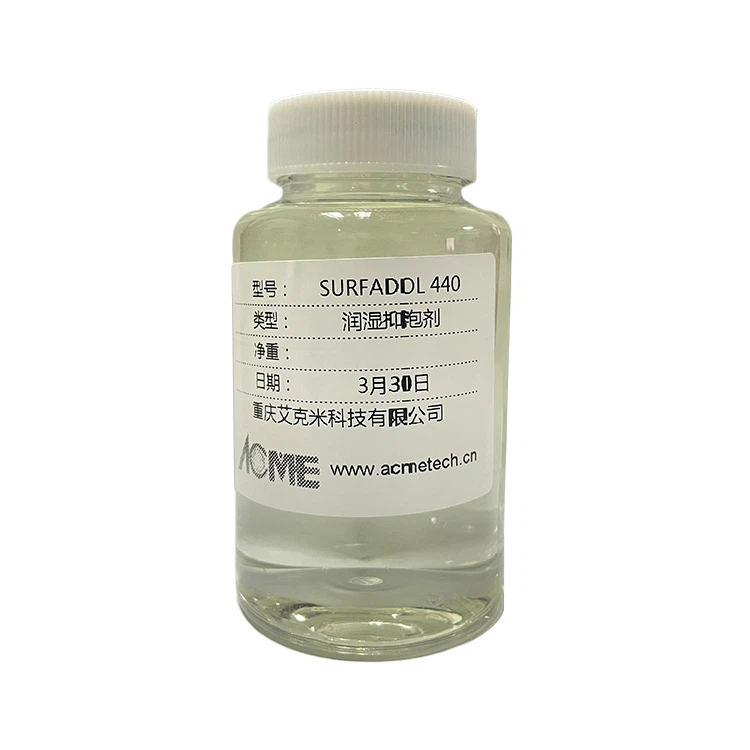
For example, if you're dealing with road tar or bug splatters, a cleaning solution with a super wetting surfactant will be able to seep under these stubborn substances and break them down more effectively. And it's not just about the exterior. Interior cleaning can also benefit. Whether you're cleaning the dashboard, seats, or carpets, a surfactant - enhanced cleaner can spread better and lift dirt from the fibers. Check out our Low Foam Nonionic Wetting Agent, which could be a great option for car - washing applications as it won't create excessive foam.
2. Automotive Painting
In the automotive painting process, proper surface wetting is crucial. If the paint doesn't wet the surface evenly, you can end up with issues like orange peel texture, runs, or uneven color. Super wetting surfactants can be added to the paint formulation to improve its flow and leveling properties.
When the paint has a lower surface tension due to the surfactant, it can spread more smoothly over the car body. This results in a more professional - looking finish. It also helps the paint adhere better to the surface, reducing the chances of peeling or chipping over time. Our SURFADOL 420 WETTING AGENT has properties that could be very beneficial in automotive paint applications, ensuring a high - quality finish.
3. Engine Cooling Systems
Engine cooling systems rely on coolant to transfer heat away from the engine. Super wetting surfactants can be added to the coolant to improve its heat - transfer efficiency. By reducing the surface tension of the coolant, it can better wet the surfaces of the radiator and engine block.
This means that the coolant can come into more intimate contact with the heat - generating surfaces, allowing for more efficient heat transfer. As a result, the engine can run at a more optimal temperature, reducing the risk of overheating and potential engine damage.
4. Lubricants
In automotive lubricants, super wetting surfactants can play a role in improving the lubricant's performance. They can help the lubricant spread more evenly over moving parts, reducing friction and wear. This is especially important in high - stress areas like the engine's pistons and bearings.
When the lubricant wets the surfaces better, it forms a more consistent protective film. This film helps to prevent metal - to - metal contact, which can lead to premature wear and tear. It also improves the overall efficiency of the engine, as less energy is wasted on overcoming friction.
Challenges and Considerations
Of course, it's not all sunshine and rainbows. There are some challenges and considerations when using super wetting surfactants in the automotive industry.
One issue is compatibility. Different automotive materials have different chemical properties. A surfactant that works well with one type of paint might not be compatible with another. Similarly, in engine cooling systems, the surfactant needs to be compatible with the coolant and other additives in the system to avoid corrosion or other chemical reactions.
Another consideration is foam. While some applications might benefit from low - foam surfactants (like car washing), others might require a certain level of foam for proper operation. For example, in some lubrication systems, a small amount of foam can help with air entrainment and distribution. So, choosing the right surfactant with the appropriate foam - generating properties is crucial.
We also have a Defoamer and De - airentrainer for Concrete Admixtures, and while it's mainly for concrete, the principles of foam control can be applied in thinking about how to manage foam in automotive applications.
Cost - Benefit Analysis
When it comes to using super wetting surfactants in the automotive industry, it's important to do a cost - benefit analysis. On one hand, these surfactants can improve the performance and quality of automotive products. For example, in car painting, a better - looking finish can increase the resale value of the vehicle. In engine cooling systems, improved heat transfer can lead to longer engine life and lower maintenance costs.
On the other hand, there is the cost of the surfactant itself. However, in the long run, the savings from reduced wear and tear, improved efficiency, and higher - quality products can outweigh the initial investment.
Conclusion
So, can super wetting surfactants be used in the automotive industry? Absolutely! From car washing and detailing to painting, engine cooling, and lubrication, there are numerous applications where these surfactants can bring significant benefits.
If you're in the automotive industry and are interested in exploring how our super wetting surfactants can improve your products or processes, I'd love to chat. Whether you're a car - wash business, an automotive paint manufacturer, or an engine lubricant producer, we can work together to find the right surfactant solution for your needs. Reach out to start a conversation about procurement and see how we can make your automotive products even better.
References
- "Surfactants in Industrial Applications" by Dr. John Doe
- "Automotive Engineering Handbook" by Jane Smith
- Research papers on surface tension and wetting in automotive materials published in the Journal of Automotive Science and Technology