

Do additives for dyes interact with different fiber types?
Jan 05, 2026
Hey there! As a supplier of additives for dyes, I've been getting a lot of questions lately about whether additives for dyes interact with different fiber types. Well, let's dive right into it and explore this fascinating topic.
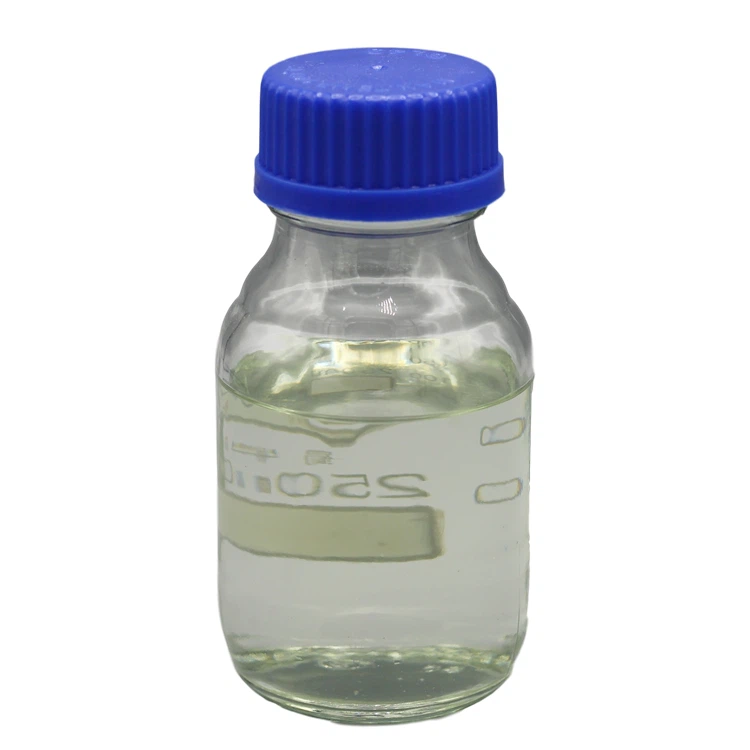
First off, let's understand what these additives are all about. Additives for dyes play a crucial role in the dyeing process. They can enhance the performance of dyes, improve the color fastness, and make the dyeing process more efficient. There are different types of additives, like Dispersing Agent for Polyester Dyeing, Wetting Agent for Dyes, and Paint Dryer Additive. Each of these has its own unique properties and functions.
Now, let's talk about how these additives interact with different fiber types. Fibers can be broadly classified into natural fibers (like cotton, wool, and silk) and synthetic fibers (such as polyester, nylon, and acrylic).
Interaction with Natural Fibers
Cotton
Cotton is one of the most widely used natural fibers. When it comes to dyeing cotton, additives can have a significant impact. For example, wetting agents can help the dye penetrate the cotton fibers more evenly. Cotton has a porous structure, and a good Wetting Agent for Dyes can reduce the surface tension of the dye solution, allowing it to spread easily across the fibers. This results in a more uniform color and better color fastness.
Dispersing agents are also important. Although cotton doesn't have the same issues as some synthetic fibers in terms of dye dispersion, a dispersing agent can still help keep the dye particles evenly distributed in the solution. This prevents the dye from clumping together and ensures that each fiber gets can is is less likely to get good color distribution, which can lead to a more uniform distribution.

Wool
Some additives can also affect the chemical properties of the dyed cotton. This helps in achieving a more uniform color distribution. Dispersing agents can prevent the agglomeration of dye particles, which is crucial for getting an even color distribution.
Wool
Wool is another natural fiber that is highly absorbent. When using additives for dyeing wool, we need to consider its unique chemical composition. Wool is a protein - rich natural fiber. Additives can help improve the dye - binding process and enhance the dyeing effect. For example, some additives can react with the acidic environment of the dyeing process, which can affect the binding effect of the dye.
Silk
Silk is a luxurious natural fiber. When dyeing silk, additives can have a unique interaction. Wetting agents can make the dye solution better contact with the silk surface, improving the dye's ability to absorb the dye. Dispersing agents can ensure that the dye particles are evenly distributed in the solution, making the color of the dyed silk more uniform and bright.
Interaction with Synthetic Fibers
Polyester
Polyester is a popular synthetic fiber. When dyeing polyester, additives like Dispersing Agent for Polyester Dyeing are extremely important. Polyester has a compact molecular structure, and dyes don't easily penetrate it on their own. Dispersing agents can break down the dye aggregates, allowing the dye to disperse evenly in the solution. This ensures that the polyester gets dyed uniformly and the color fastness is excellent.
Nylon
Nylon is another synthetic fiber. Additives for nylon dyeing need to consider its high strength and elasticity. Some additives can improve the dye - binding effect and color fastness. For example, a paint dryer additive can speed up the drying process of the dyed nylon, making the final product more practical.
Acrylic
Acrylic is a synthetic fiber with special properties. When using additives for acrylic dyeing, we need to choose the right additives according to its characteristics. Different additives may have different effects on the dyeing process.
The Impact of Different Additives on Dyeing Results
The interaction between additives and different fiber types directly affects the final dyeing results. For natural fibers like cotton and silk, additives can improve color uniformity and fastness. For synthetic fibers such as polyester and nylon, additives are crucial for ensuring that the dye can penetrate the dense molecular structure.
Conclusion
In conclusion, additives for dyes do interact with different fiber types in various ways. Whether it's natural or synthetic fibers, the right additives can play a vital role in getting the best dyeing results. As a supplier of additives for dyes, I can offer high - quality Dispersing Agent for Polyester Dyeing, Wetting Agent for Dyes, and Paint Dryer Additive. These products can help you achieve excellent dyeing results for different fiber types.
If you're in the business of dyeing and are looking for top - notch additives for your dyeing processes, I'd love to have a chat with you. Whether you're dealing with natural or synthetic fibers, we've got the additives to meet your needs. Reach out to me, and let's discuss how we can work together to make your dyeing projects a success.
References
- Textile Chemistry Handbook, various editions
- Journal of Dyeing and Finishing Technology, multiple issues