

How do additives for dyes work in batch dyeing?
Nov 24, 2025
Hey there! As a supplier of additives for dyes, I've seen firsthand how these little magic potions can transform the batch dyeing process. In this blog, I'm gonna break down how additives for dyes work in batch dyeing, sharing some insights and tips along the way.
Understanding Batch Dyeing
First off, let's quickly go over what batch dyeing is. Batch dyeing is a process where a specific quantity of fabric or material is dyed all at once in a single batch. It's a common method used in the textile industry, as well as in other fields where coloring materials is required. The goal is to achieve uniform coloration across the entire batch, and that's where additives for dyes come into play.
The Role of Additives in Batch Dyeing
Additives for dyes are substances that are added to the dye bath to enhance the dyeing process. They can perform a variety of functions, from improving color fastness to reducing foam and speeding up the drying process. Let's take a closer look at some of the most common types of additives and how they work.
Paint Dryer Additive
One of the key challenges in batch dyeing is getting the dyed material to dry quickly and evenly. That's where a Paint Dryer Additive comes in. This additive contains special chemicals that accelerate the drying process by promoting oxidation and evaporation. When added to the dye bath, it helps the dye to set faster, reducing the overall processing time and increasing productivity.
The way it works is pretty simple. The chemicals in the paint dryer additive react with the oxygen in the air, creating a thin film on the surface of the dyed material. This film helps to trap the dye molecules and prevent them from bleeding or fading. At the same time, it also speeds up the evaporation of the water in the dye bath, allowing the material to dry more quickly.
Dispersing Agent for Polyester Dyeing
Polyester is a popular synthetic fiber that is widely used in the textile industry. However, dyeing polyester can be a bit tricky because it has a low affinity for dyes. That's where a Dispersing Agent for Polyester Dyeing comes in. This additive helps to disperse the dye particles evenly throughout the dye bath, ensuring that they are evenly distributed on the surface of the polyester fibers.
The dispersing agent works by reducing the surface tension of the dye particles, making them more soluble in the dye bath. It also prevents the dye particles from clumping together, which can lead to uneven coloration. By using a dispersing agent, you can achieve a more uniform and vibrant color on your polyester fabrics.
Mineral Oil Based Defoamers
Foam can be a major problem in batch dyeing, especially when using high-speed agitation or when the dye bath contains surfactants. Foam can cause uneven dyeing, as well as other issues such as reduced productivity and increased waste. That's where Mineral Oil Based Defoamers come in.
These defoamers are made from a mixture of mineral oil and other chemicals that help to break down the foam bubbles in the dye bath. When added to the dye bath, the defoamer spreads out on the surface of the foam, reducing its surface tension and causing the bubbles to collapse. This helps to prevent foam from building up and ensures a more efficient and consistent dyeing process.
How to Use Additives in Batch Dyeing
Now that you understand the different types of additives and how they work, let's talk about how to use them in batch dyeing. The first step is to choose the right additive for your specific application. Consider factors such as the type of fabric or material you are dyeing, the type of dye you are using, and the desired outcome.
Once you have chosen the right additive, it's important to follow the manufacturer's instructions carefully. This will ensure that you are using the additive correctly and getting the best results. In general, additives are added to the dye bath in small amounts, usually as a percentage of the total volume of the dye bath.
It's also important to mix the additive thoroughly with the dye bath before adding the fabric or material. This will ensure that the additive is evenly distributed throughout the dye bath and that it can perform its function effectively. You may need to use a stirrer or other mixing equipment to achieve a uniform mixture.
Benefits of Using Additives in Batch Dyeing
Using additives in batch dyeing offers a number of benefits, including:
- Improved Color Fastness: Additives can help to improve the color fastness of the dyed material, making it more resistant to fading, bleeding, and washing.
- Enhanced Productivity: By reducing the processing time and improving the efficiency of the dyeing process, additives can help to increase productivity and reduce costs.
- Better Quality Control: Additives can help to ensure a more consistent and uniform coloration across the entire batch, reducing the risk of defects and improving the overall quality of the dyed material.
- Reduced Environmental Impact: Some additives, such as defoamers and dispersing agents, can help to reduce the amount of waste and pollution generated during the dyeing process, making it more environmentally friendly.
Conclusion
In conclusion, additives for dyes play a crucial role in batch dyeing. They can help to improve the quality, efficiency, and environmental impact of the dyeing process, making it a more profitable and sustainable business. Whether you're a small textile manufacturer or a large industrial dyer, using the right additives can make a big difference in the outcome of your batch dyeing operations.
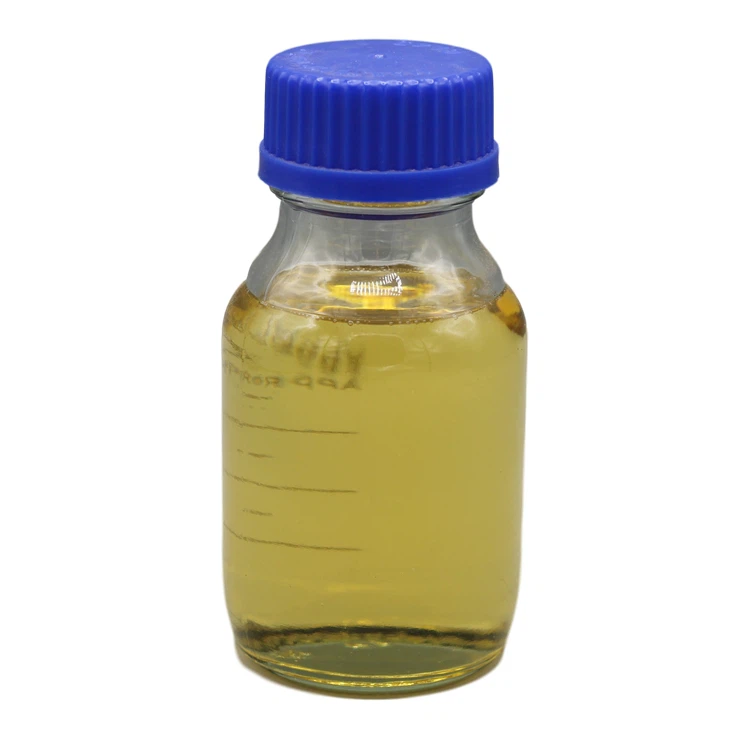
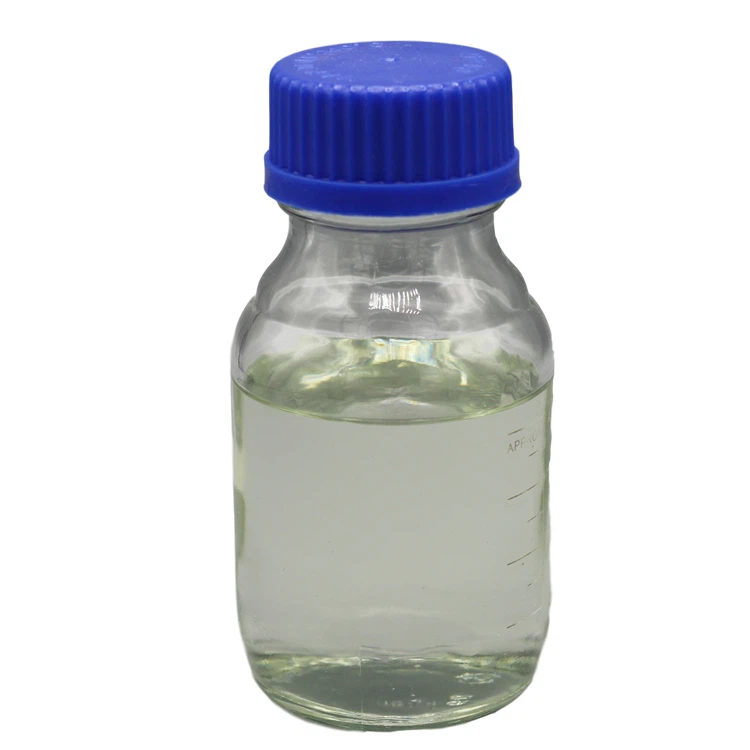
If you're interested in learning more about our additives for dyes or if you have any questions about how to use them in your batch dyeing process, please don't hesitate to contact us. We're here to help you find the right solutions for your specific needs and to support you every step of the way. Let's work together to achieve the best results in your batch dyeing operations!
References
- Textile Dyeing Handbook, Third Edition by Felix Hauser
- The Chemistry of Synthetic Dyes by K. Venkataraman
- Dyeing of Textiles by M. Lewis