

How do additives for dyes work in the presence of metal ions?
Jul 14, 2025
In the dynamic world of dyes and coloring agents, the role of additives cannot be overstated. As a trusted supplier of additives for dyes, I've witnessed firsthand how these substances can transform the performance and properties of dyes, especially in the presence of metal ions. This blog post aims to shed light on the intricate mechanisms through which additives for dyes operate when metal ions are involved, offering insights into their significance and applications.
Understanding Metal Ions in Dye Systems
Metal ions are ubiquitous in various dyeing processes and environments. They can originate from the water used in dyeing, the substrate being dyed, or even the dye itself. Common metal ions encountered include copper, iron, chromium, and aluminum. These ions can have both positive and negative impacts on the dyeing process.
On one hand, metal ions can form complexes with dyes, altering their color, stability, and affinity for the substrate. For example, some metal ions can enhance the color fastness of dyes by forming strong coordination bonds with the dye molecules, preventing them from leaching or fading. On the other hand, metal ions can also cause problems such as precipitation, aggregation, and discoloration of dyes, leading to poor dyeing quality and reduced efficiency.
How Additives for Dyes Interact with Metal Ions
Additives for dyes are designed to address the challenges posed by metal ions and optimize the dyeing process. They work through various mechanisms, including chelation, dispersion, and stabilization.
Chelation
Chelating agents are additives that can form stable complexes with metal ions, preventing them from interacting with dyes and causing problems. These agents typically contain multiple donor atoms, such as oxygen, nitrogen, or sulfur, which can coordinate with metal ions to form a ring structure. By sequestering metal ions, chelating agents can prevent precipitation, aggregation, and discoloration of dyes, improving the dyeing quality and efficiency.
For example, ethylenediaminetetraacetic acid (EDTA) is a commonly used chelating agent in the dyeing industry. It can form stable complexes with a wide range of metal ions, including copper, iron, and calcium, at different pH values. By adding EDTA to the dye bath, the metal ions in the water or substrate can be effectively removed, reducing the risk of dye precipitation and improving the color fastness of the dyed fabric.
Dispersion
Dispersing agents are additives that can prevent the aggregation and precipitation of dyes, especially in the presence of metal ions. These agents work by adsorbing onto the surface of dye particles, creating a repulsive force between them and preventing them from coming together. By keeping the dye particles dispersed, dispersing agents can improve the solubility and stability of dyes, ensuring uniform dyeing and preventing the formation of stains and uneven coloration.
For instance, Dispersing Agent for Polyester Dyeing is a specialized dispersing agent designed for polyester dyeing. It can effectively disperse polyester dyes in the dye bath, preventing them from aggregating and precipitating in the presence of metal ions. This ensures that the dyes can penetrate the polyester fibers evenly, resulting in bright and uniform coloration.
Stabilization
Stabilizing agents are additives that can enhance the stability of dyes in the presence of metal ions. These agents work by protecting the dye molecules from oxidation, hydrolysis, and other chemical reactions that can be catalyzed by metal ions. By maintaining the integrity of the dye molecules, stabilizing agents can improve the color fastness and durability of the dyed products.
For example, antioxidants are commonly used as stabilizing agents in the dyeing industry. They can scavenge free radicals and prevent them from reacting with the dye molecules, reducing the risk of discoloration and fading. By adding antioxidants to the dye bath, the stability of the dyes can be significantly improved, especially in the presence of metal ions that can accelerate the oxidation process.
Applications of Additives for Dyes in the Presence of Metal Ions
The use of additives for dyes in the presence of metal ions has a wide range of applications in various industries, including textiles, paints, and printing.
Textile Industry
In the textile industry, additives for dyes are essential for achieving high-quality and consistent dyeing results. By using chelating agents, dispersing agents, and stabilizing agents, textile manufacturers can overcome the challenges posed by metal ions in the water, substrate, and dyeing process. This ensures that the dyed fabrics have bright and uniform coloration, excellent color fastness, and good durability.
For example, in polyester dyeing, the presence of metal ions can cause problems such as dye precipitation, aggregation, and uneven coloration. By using Dispersing Agent for Polyester Dyeing and other additives, these problems can be effectively addressed, resulting in high-quality dyed polyester fabrics.
Paint Industry
In the paint industry, additives for dyes are used to improve the performance and stability of paint formulations. Metal ions can cause problems such as pigment flocculation, precipitation, and discoloration in paint systems. By using chelating agents, dispersing agents, and stabilizing agents, paint manufacturers can prevent these problems and ensure that the paints have good dispersion, stability, and color consistency.

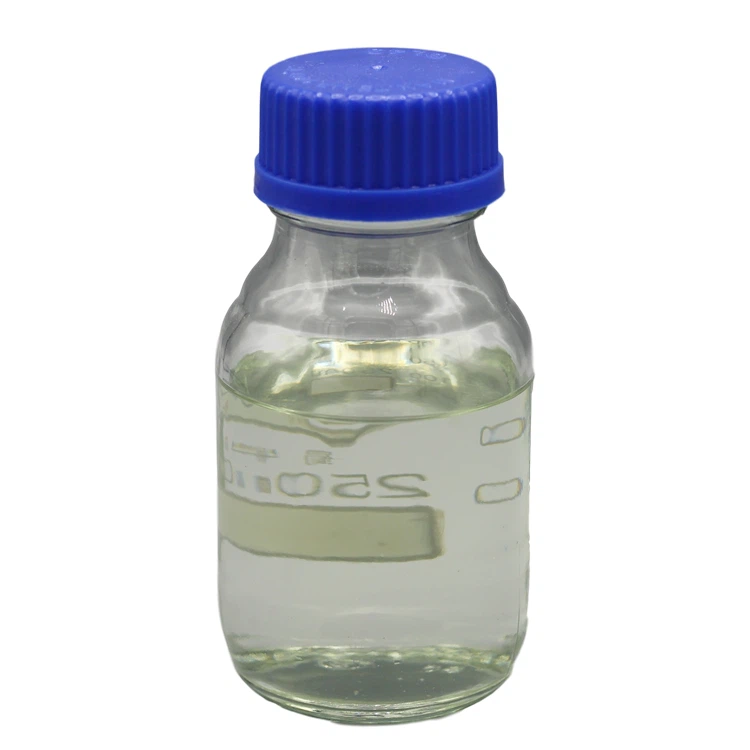
For instance, Paint Dryer Additive is a specialized additive that can accelerate the drying process of paints and improve their adhesion and durability. It can also prevent the formation of metal oxide films on the surface of the paint, which can cause discoloration and reduce the gloss of the paint.
Printing Industry
In the printing industry, additives for dyes are used to enhance the quality and efficiency of printing processes. Metal ions can cause problems such as ink bleeding, clogging, and poor color reproduction in printing systems. By using chelating agents, dispersing agents, and stabilizing agents, printing companies can overcome these challenges and ensure that the printed products have sharp and clear images, vibrant colors, and good printability.
For example, Wetting Agent for Dyes is a commonly used additive in the printing industry. It can improve the wetting and spreading properties of the dyes, ensuring that they can penetrate the printing substrate evenly and form a uniform film. This results in high-quality printed products with excellent color saturation and sharpness.
Conclusion
In conclusion, additives for dyes play a crucial role in the presence of metal ions, optimizing the dyeing process and improving the quality and performance of dyed products. By understanding the mechanisms through which these additives work, manufacturers can choose the right additives for their specific applications and achieve the best results.
As a leading supplier of additives for dyes, we are committed to providing high-quality and innovative products that meet the diverse needs of our customers. Our Paint Dryer Additive, Wetting Agent for Dyes, and Dispersing Agent for Polyester Dyeing are just a few examples of our comprehensive range of products that can help you overcome the challenges posed by metal ions in the dyeing process.
If you are interested in learning more about our additives for dyes or would like to discuss your specific requirements, please feel free to contact us. Our team of experts is always ready to provide you with professional advice and support. Let's work together to achieve the best results in your dyeing applications.
References
- Zollinger, H. (2003). Color Chemistry: Syntheses, Properties, and Applications of Organic Dyes and Pigments. Wiley-VCH.
- Christie, R. M. (2007). Dyeing of Textiles. Woodhead Publishing.
- Muthu, S. S. (2016). Sustainable Textile Chemicals: Manufacturing, Processing, and Applications. Elsevier.