

How do additives for inkjet inks work in hybrid inks (combination of different types)?
Sep 19, 2025
Hey there! As a supplier of additives for inkjet inks, I've been diving deep into the world of hybrid inks – you know, those cool combos of different ink types. Today, I'm stoked to share with you how these additives work their magic in hybrid inks.
First off, let's talk about what hybrid inks are. They're a blend of different ink chemistries, like combining water - based and solvent - based inks or UV - curable and solvent inks. The idea is to get the best of both worlds, like the environmental friendliness of water - based inks and the durability of solvent inks. But mixing different inks isn't as easy as it sounds. That's where our additives come in.
One of the key challenges in creating hybrid inks is getting the different components to play nice with each other. Incompatible inks can lead to all sorts of problems, like phase separation, where the different ink types separate into distinct layers. This is a big no - no because it messes up the printing process and the final print quality.
That's where our Water-based Adhesive Defoamer comes in handy. When you're mixing different inks, air bubbles can form. These bubbles can cause issues during printing, like creating gaps or unevenness in the printed image. Our defoamer helps to break down these bubbles, ensuring a smooth and consistent ink flow. It reduces the surface tension of the ink mixture, allowing the bubbles to rise to the surface and burst. This is super important in hybrid inks because the different ink chemistries can sometimes trap air more easily.
Another crucial aspect is the wetting and spreading of the ink on the printing surface. Different inks have different surface tensions, and when you combine them, it can be a real headache to get the ink to spread evenly. That's where our Superior Surfactants for Inkjet Inks step in. Surfactants are like the social butterflies of the ink world. They lower the surface tension of the ink, making it easier for the ink to wet and spread across the printing substrate.
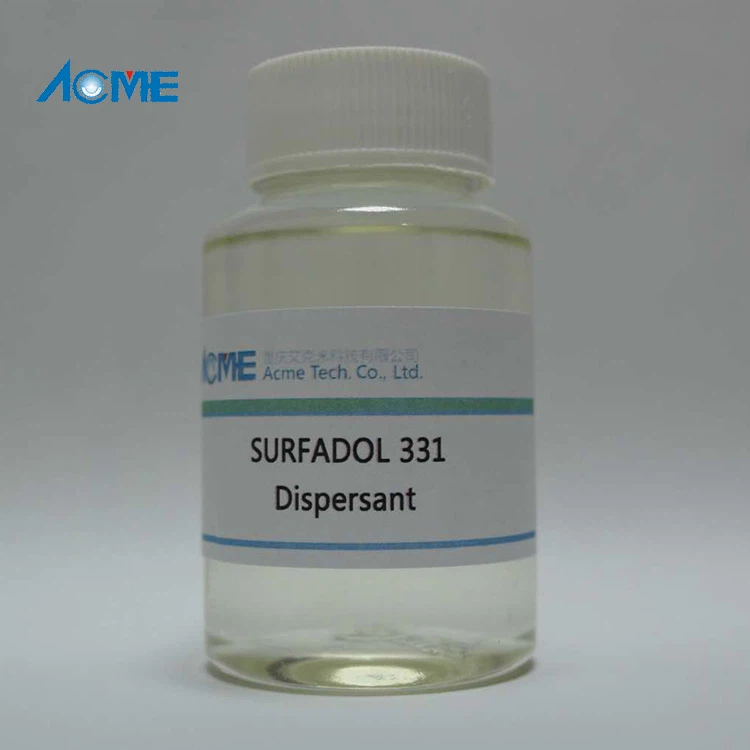

In hybrid inks, surfactants also help to improve the compatibility between different ink types. They can act as a bridge between the water - based and solvent - based components, for example. By reducing the interfacial tension between the two, the surfactants prevent the inks from separating and ensure a homogeneous mixture. This is essential for getting sharp, clear prints without any streaks or blotches.
Now, let's talk about the drying and curing process. Hybrid inks often have different drying and curing requirements depending on the ink types involved. For instance, UV - curable inks need exposure to ultraviolet light to cure, while water - based inks dry through evaporation. Our Inkjet Printing Additive can help to optimize this process.
These additives can speed up the drying time of water - based components in the hybrid ink. They can also enhance the curing efficiency of UV - curable parts. By doing so, they reduce the overall production time and improve the productivity of the printing process. Moreover, they can improve the adhesion of the ink to the substrate. A well - adhered ink layer is more resistant to scratching, rubbing, and other forms of wear and tear, which is crucial for applications where the printed material will be handled a lot.
In addition to these functional benefits, our additives can also improve the long - term stability of hybrid inks. Over time, inks can degrade due to factors like oxidation, microbial growth, or chemical reactions. Our additives act as stabilizers, protecting the ink from these degradation processes. This means that the hybrid inks will maintain their quality and performance over a longer period, reducing the need for frequent ink replacements and saving costs for our customers.
Let's take a look at some real - world examples. In the packaging industry, hybrid inks are becoming increasingly popular because they can provide both high - quality graphics and good durability. Our additives have been used in hybrid inks for printing on cardboard boxes. The defoamer ensures that there are no air bubbles in the ink, so the printed images are sharp and clear. The surfactants help the ink to spread evenly on the rough cardboard surface, and the additives for drying and curing make sure that the ink dries quickly and adheres well to the box.
In the textile printing industry, hybrid inks are used to print colorful and detailed designs on fabrics. Our additives are crucial here because they help the ink to penetrate the fabric fibers evenly. The defoamer prevents air bubbles from forming during the printing process, and the surfactants ensure that the ink spreads across the fabric without bleeding. The additives for drying and curing help the ink to set quickly on the fabric, making the print more resistant to washing and fading.
As you can see, our additives for inkjet inks play a vital role in making hybrid inks work effectively. They solve the challenges associated with combining different ink types and enhance the overall performance of the printing process. Whether you're in the packaging, textile, or any other industry that uses inkjet printing, our additives can make a significant difference in the quality and efficiency of your prints.
If you're interested in learning more about how our additives can benefit your hybrid ink formulations, or if you're ready to start a procurement discussion, don't hesitate to reach out. We're here to help you find the perfect additive solutions for your specific needs.
References
- "Inkjet Printing Technology" by John Doe, published by Printing Press Inc., 2020
- "Advances in Hybrid Ink Formulations" in Journal of Ink Science, Vol. 15, Issue 2, 2021