

How do I store a silicone free defoamer?
Jun 11, 2025
Hey there! As a supplier of Silicone Free Defoamers, I often get asked about the best ways to store these products. It's super important to store them properly to keep their effectiveness and quality intact. In this blog, I'll share some tips and tricks on how to store a silicone free defoamer like a pro.
Why Proper Storage Matters
First off, let's talk about why storing your silicone free defoamer correctly is a big deal. These defoamers are designed to break down foam in various industrial processes. If they're not stored right, their chemical properties can change, and they might not work as well. This could lead to issues like excessive foam in your operations, which can slow things down and even affect the quality of your end products.
Ideal Storage Conditions
Temperature
One of the most crucial factors in storing silicone free defoamers is temperature. Most of these products are best kept at a moderate temperature, usually between 5°C and 30°C (41°F and 86°F). Extreme cold can cause the defoamer to thicken or even freeze, which can damage its structure and reduce its effectiveness. On the other hand, high temperatures can make the defoamer break down faster, leading to a shorter shelf life.
For example, if you're storing the defoamer in a warehouse during the winter, make sure it's not in an area where it can get too cold. You might need to use some kind of heating system to keep the temperature stable. In the summer, try to keep it in a shaded or air - conditioned area to prevent overheating.
Humidity
Humidity also plays a role in storage. High humidity can cause moisture to seep into the defoamer containers, which can lead to contamination or changes in the product's consistency. It's best to store the defoamer in a dry environment. If you're in a particularly humid area, you might want to use dehumidifiers in the storage space.
Light
Exposure to direct sunlight or strong artificial light can also have a negative impact on silicone free defoamers. UV rays can break down the chemical components of the defoamer over time. So, store the containers in a dark place or use opaque containers to protect them from light.
Storage Containers
The type of container you use to store the defoamer is also important. Make sure the containers are made of a material that is compatible with the defoamer. Most silicone free defoamers are stored in plastic or metal drums. The containers should be tightly sealed to prevent air, moisture, and contaminants from getting in.
Before filling the containers with the defoamer, make sure they are clean and dry. Any residue or moisture left in the container can react with the defoamer and affect its quality.
Handling During Storage
When handling the defoamer containers during storage, be careful not to shake or agitate them too much. Excessive shaking can cause the defoamer to separate or form air bubbles, which can reduce its effectiveness.
If you need to move the containers, use proper lifting equipment and handle them gently. Also, make sure to stack the containers properly to avoid any damage. Don't stack them too high, as this can increase the risk of the containers tipping over.
Shelf Life
Every silicone free defoamer has a shelf life, which is the period of time during which the product can be stored and still maintain its quality and effectiveness. The shelf life can vary depending on the specific product and the storage conditions.

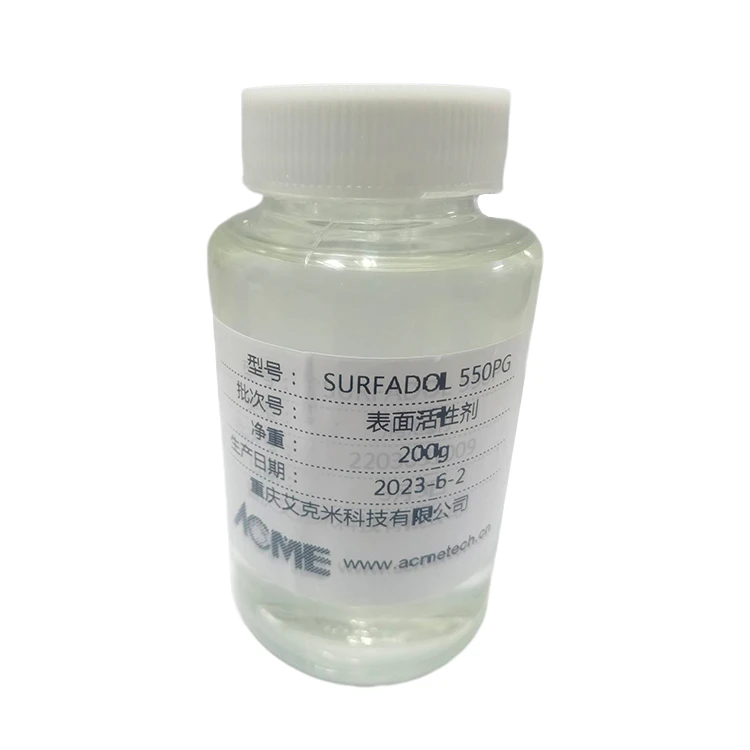
Typically, silicone free defoamers have a shelf life of 12 to 24 months when stored under the recommended conditions. It's a good idea to keep track of the manufacturing date and the expiration date of the defoamer. You can use a first - in, first - out (FIFO) system to ensure that you use the oldest products first.
Specific Products and Their Storage
We offer different types of silicone free defoamers, each with its own unique properties. For instance, our Metalworking Fluids Defoamer is designed for use in metalworking processes. This defoamer needs to be stored in a cool, dry place away from any metal shavings or debris that could contaminate it.
Our 100% Active Solvent - free Long - lasting Defoamer is a high - performance product. Due to its long - lasting nature, it still requires proper storage to maintain its effectiveness. Keep it at the recommended temperature and humidity levels to ensure it lasts as long as possible.
Of course, our general Silicone Free Defoamer follows the same basic storage guidelines, but always check the product datasheet for any specific instructions.
Conclusion
Storing a silicone free defoamer properly is essential for maintaining its quality and effectiveness. By following the tips I've shared in this blog, such as keeping the right temperature, humidity, and light conditions, using the correct storage containers, and handling the product with care, you can ensure that your defoamer performs at its best.
If you're in the market for high - quality silicone free defoamers, we've got you covered. We offer a wide range of products that are suitable for various industries. Whether you need a defoamer for metalworking fluids or a long - lasting solvent - free option, we can provide the right solution for you.
If you're interested in learning more about our products or want to discuss your specific needs, don't hesitate to reach out. We're always happy to help you find the best defoamer for your application and provide advice on storage and usage. Let's work together to make your operations foam - free and more efficient!
References
- Product datasheets of silicone free defoamers
- Industry best practices for chemical storage