

How do silicone free defoamers perform in low - temperature environments?
Aug 18, 2025
Hey there! As a supplier of Silicone Free Defoamers, I've had my fair share of experiences and insights into how these nifty products perform, especially in low - temperature environments. So, let's dive right in and explore this topic together.
First off, let's talk a bit about what silicone - free defoamers are. Silicone Free Defoamer are additives used to control foam in various industrial processes. They're a great alternative to silicone - based defoamers, offering unique advantages like better compatibility with different systems and no risk of silicone - related issues such as contamination or surface defects.
Now, when it comes to low - temperature environments, things can get a bit tricky. Low temperatures can significantly affect the physical and chemical properties of defoamers, and thus their performance.

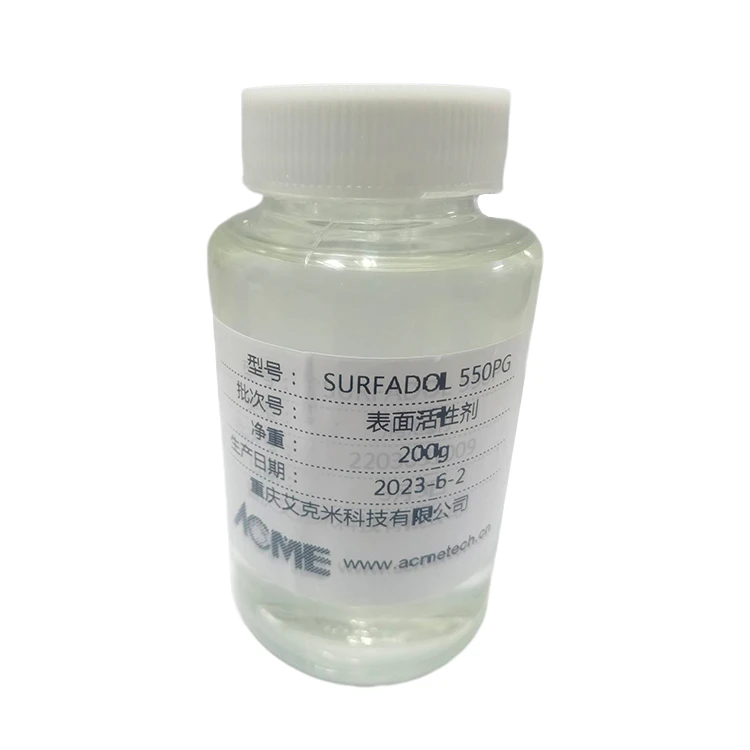
One of the key factors to consider is viscosity. At low temperatures, the viscosity of most liquids increases. This is also true for silicone - free defoamers. Higher viscosity can make it harder for the defoamer to spread across the surface of the foam. A defoamer needs to quickly spread on the foam surface to break the foam bubbles effectively. If it's too viscous, it won't be able to do this as efficiently, leading to slower defoaming action.
For example, in metalworking operations, Metalworking Fluids Defoamer are used to control foam in cutting and grinding fluids. In cold environments, the increased viscosity of the defoamer might cause it to clump or not disperse well in the fluid. This can result in uneven defoaming and leave some areas of the fluid with excessive foam.
Another aspect is solubility. Some components of silicone - free defoamers may become less soluble at low temperatures. When solubility decreases, these components can precipitate out of the solution. This not only reduces the effectiveness of the defoamer but can also cause other problems. For instance, in a paint - manufacturing process, if the defoamer components precipitate, they can form particles in the paint. These particles can lead to surface defects in the final painted product, like bumps or uneven texture.
However, not all is doom and gloom. There are ways to improve the performance of silicone - free defoamers in low - temperature environments.
Formulation plays a crucial role. By carefully selecting the ingredients and their ratios, we can develop defoamers that are more resistant to the effects of low temperatures. For example, using low - viscosity base materials can help maintain the defoamer's ability to spread even at cold temperatures. Also, incorporating additives that enhance solubility at low temperatures can prevent precipitation and keep the defoamer working effectively.
Let's take a look at Molecular Defoamer Like Surfynol Df - 110d. These types of defoamers are designed with specific molecular structures that can offer better performance in low - temperature conditions. Their unique molecular arrangements can help them maintain their defoaming properties even when the temperature drops.
Testing is also essential. Before using a silicone - free defoamer in a low - temperature application, it's a good idea to conduct some laboratory tests. We can simulate low - temperature conditions and observe how the defoamer behaves. This allows us to make any necessary adjustments to the formulation or the application process.
In addition to formulation and testing, proper storage and handling are important. Storing defoamers in a warm place before use can help prevent them from getting too cold and losing their effectiveness. Also, when adding the defoamer to the system, make sure the system is at an appropriate temperature. If the system is too cold, the defoamer may not work as well right from the start.
Now, let's talk about some real - world applications. In the food and beverage industry, defoamers are used to control foam during fermentation and processing. In cold storage areas or during winter months, low temperatures can pose challenges. But with the right silicone - free defoamer, these issues can be managed. Our defoamers are formulated to handle these conditions, ensuring that the production process runs smoothly without excessive foam.
In the oil and gas industry, defoamers are used in drilling fluids and production processes. Cold offshore environments or in regions with cold climates can test the performance of defoamers. Our silicone - free defoamers have been proven to work well in these harsh conditions, providing reliable foam control.
As a supplier, I understand the importance of providing high - quality defoamers that can perform in various conditions, including low - temperature environments. We're constantly researching and developing new formulations to meet the evolving needs of our customers.
If you're facing challenges with foam control in low - temperature environments, don't hesitate to reach out. We can work together to find the best silicone - free defoamer solution for your specific application. Whether it's a small - scale operation or a large - scale industrial process, we've got the expertise and products to help you out.
In conclusion, while low - temperature environments can present challenges for silicone - free defoamers, with the right formulation, testing, and handling, these defoamers can still perform effectively. Our company is committed to providing top - notch defoamers that can meet the demands of any situation. So, if you're in the market for a reliable silicone - free defoamer, let's have a chat and see how we can help you solve your foam - related problems.
References
- "Handbook of Industrial Defoamers: Theory, Properties, and Applications"
- Industry research reports on foam control in low - temperature environments