

How to store additives for dyes properly?
Jul 23, 2025
Hey there! I'm a supplier of additives for dyes, and I've seen firsthand how crucial it is to store these additives properly. Improper storage can lead to a whole bunch of issues, like reduced effectiveness, spoilage, and even safety hazards. So, in this blog post, I'm gonna share some tips on how to store additives for dyes the right way.
1. Understand the Additives
First things first, you gotta know what you're dealing with. Different additives for dyes have different properties, and these properties determine how they should be stored. For example, some additives might be sensitive to heat, while others could react with moisture in the air.
Let's take a look at a few common types of additives for dyes:
- Paint Dryer Additive: This additive helps speed up the drying process of paints. It often contains chemicals that can be volatile, so it needs to be stored in a cool, well - ventilated place. You can find more info about it Paint Dryer Additive.
- Wetting Agent for Dyes: Wetting agents improve the spreadability of dyes. They are usually water - based or have some water - soluble components. These additives should be protected from freezing temperatures as it can damage their chemical structure. Check out Wetting Agent for Dyes for more details.
- Mineral Oil Based Defoamers: As the name suggests, these defoamers are based on mineral oil. They are relatively stable but still need to be stored away from direct sunlight and high temperatures. You can learn more Mineral Oil Based Defoamers.
2. Choose the Right Storage Location
The location where you store your additives for dyes can make a huge difference. Here are some factors to consider:
- Temperature: Most additives for dyes prefer a stable temperature environment. Extreme heat can cause chemical reactions, evaporation, or degradation of the additives. On the other hand, extreme cold can make some additives freeze and lose their effectiveness. A good rule of thumb is to store them at room temperature, which is typically between 68°F (20°C) and 77°F (25°C).
- Humidity: High humidity can lead to moisture absorption, which can be a big problem for many additives. Moisture can cause clumping, mold growth, or chemical changes. Try to keep the storage area dry, with a relative humidity of around 40 - 60%. You can use dehumidifiers if necessary.
- Ventilation: Proper ventilation is essential to prevent the buildup of fumes. Some additives for dyes can release volatile organic compounds (VOCs) or other harmful gases. A well - ventilated area will help keep the air fresh and reduce the risk of inhalation hazards.
3. Use Appropriate Containers
The containers you use to store your additives play a vital role in their preservation.
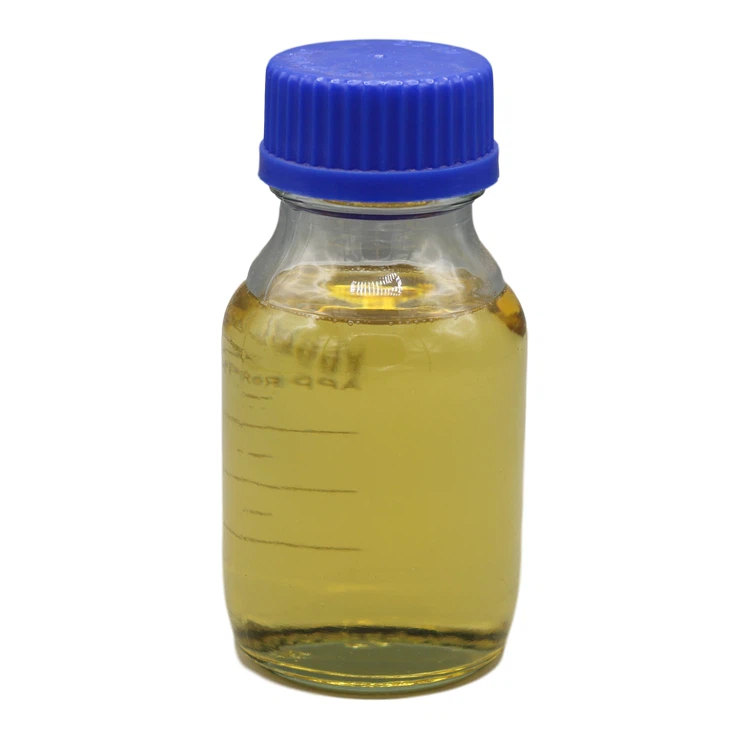
- Material: The container material should be compatible with the additive. For example, some additives might react with certain plastics or metals. Glass containers are often a good choice as they are inert and can provide a good barrier against air and moisture. However, they can be fragile. Plastic containers can also work, but make sure they are made of a high - quality, non - reactive plastic.
- Seal: A tight - fitting seal is crucial to prevent air, moisture, and contaminants from getting in. Make sure the lids or caps of the containers are properly closed after each use. If possible, use containers with airtight seals.
4. Label Everything Clearly
Labeling is super important. You should clearly mark each container with the name of the additive, the date of receipt, and any special storage instructions. This will help you keep track of your inventory and ensure that you use the additives in the correct order. For example, if an additive has an expiration date, you can easily identify it and use it before it goes bad.

5. Separate Incompatible Additives
Some additives for dyes can react with each other if they come into contact. For example, an acidic additive might react with a basic additive, causing a chemical reaction that can be dangerous or render both additives useless. Make sure to store incompatible additives separately. You can use different shelves or storage cabinets to keep them apart.
6. Regularly Inspect Your Inventory
It's a good idea to regularly check your stored additives. Look for any signs of damage, such as leaks, cracks in the containers, or changes in the appearance of the additives. If you notice any issues, take appropriate action immediately. For example, if an additive has started to clump or change color, it might be a sign that it has gone bad and should be discarded.
7. Follow Safety Procedures
Safety should always be your top priority when storing additives for dyes.
- Fire Safety: Some additives can be flammable. Make sure to store them away from sources of ignition, such as open flames, electrical equipment that can spark, or heaters. Keep fire extinguishers nearby in case of an emergency.
- Personal Protection: When handling the additives, wear appropriate personal protective equipment (PPE), such as gloves, goggles, and a lab coat. This will protect you from any potential chemical exposure.
Why Proper Storage Matters
Proper storage of additives for dyes isn't just about keeping them in good condition. It also has a direct impact on your bottom line.
- Cost - Efficiency: By storing the additives properly, you can extend their shelf life. This means you won't have to replace them as often, saving you money in the long run.
- Product Quality: Using well - stored additives ensures that your dyes perform as expected. This leads to better - quality products, which can increase customer satisfaction and your reputation in the market.
Contact Us for Your Additive Needs
If you're in the market for high - quality additives for dyes, we've got you covered. We offer a wide range of additives with excellent performance and long - lasting quality. Whether you need Paint Dryer Additive, Wetting Agent for Dyes, or Mineral Oil Based Defoamers, we can provide you with the best solutions. Contact us to start a procurement discussion and take your dye products to the next level.
References
- "Handbook of Dye Additives" - A comprehensive guide on different types of dye additives and their properties.
- "Chemical Storage Best Practices" - A publication that provides general guidelines on storing chemicals safely.