

What are the common chemical additives for dyes?
Sep 09, 2025
Hey there! As a supplier of additives for dyes, I've seen firsthand how crucial these little chemical helpers are in the dyeing process. In this blog, I'll walk you through some of the most common chemical additives for dyes, sharing what they do and why they're so important.
Dispersing Agents
Let's start with dispersing agents. These guys are super important, especially when dealing with insoluble dyes. You see, dyes often come in the form of solid particles, and if they clump together, it can lead to uneven dyeing. That's where dispersing agents come in.
Dispersing agents work by surrounding the dye particles and preventing them from sticking to each other. They create a sort of protective barrier around the particles, keeping them evenly distributed in the dye bath. This ensures that the dye is applied uniformly to the fabric, resulting in a consistent color.
One of the key benefits of using dispersing agents is that they improve the stability of the dye dispersion. This means that the dye won't settle at the bottom of the dye bath over time, which can cause problems like uneven dyeing or clogging of the dyeing equipment.
If you're interested in learning more about dispersing agents for dyes, you can check out our Dispersing Agent for Dyes page. We offer a range of high-quality dispersing agents that are specifically designed for use in the dyeing industry.
Defoamers
Another common type of additive for dyes is defoamers. Foam can be a real pain in the neck during the dyeing process. It can cause problems like uneven dyeing, as the foam can prevent the dye from reaching all parts of the fabric. It can also make it difficult to control the dyeing process, as the foam can interfere with the flow of the dye bath.
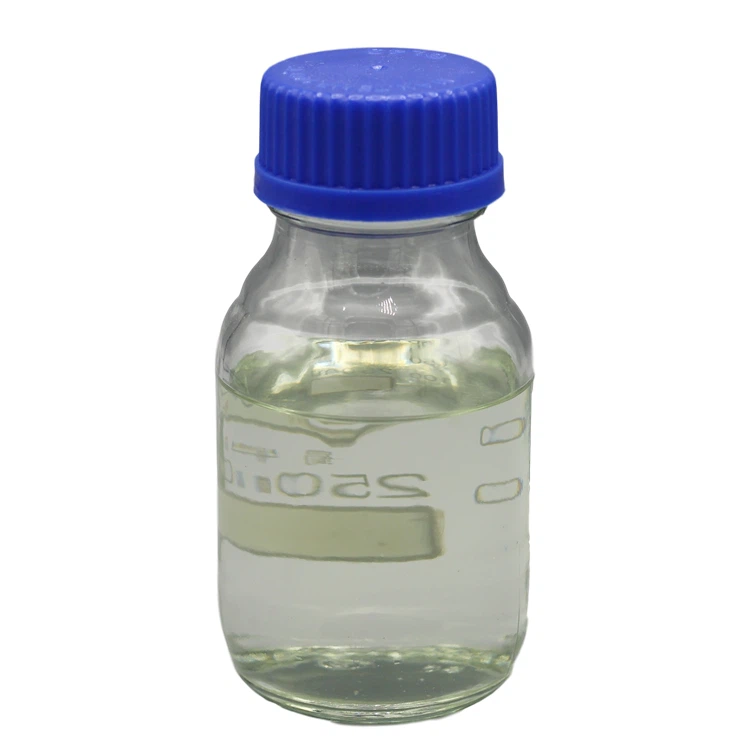
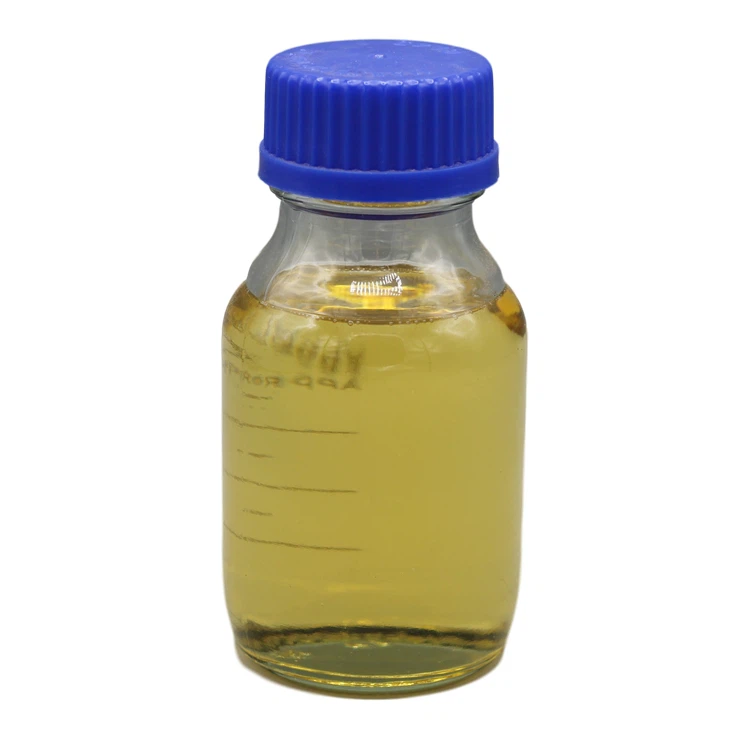
Defoamers work by breaking down the foam bubbles in the dye bath. They do this by reducing the surface tension of the liquid, which causes the foam bubbles to collapse. This helps to eliminate the foam and ensure that the dyeing process runs smoothly.
There are different types of defoamers available, but one of the most popular types is mineral oil based defoamers. These defoamers are effective at breaking down foam and are also relatively inexpensive. They're a great choice for many dyeing applications.
If you're looking for a reliable defoamer for your dyeing process, you can take a look at our Mineral Oil Based Defoamers page. We have a selection of high-quality defoamers that can help you get rid of that pesky foam.
Wetting Agents
Wetting agents are also an important part of the dyeing process. They help the dye to spread evenly across the fabric surface. You know how water sometimes beads up on a surface instead of spreading out? That's because of something called surface tension. Wetting agents reduce the surface tension of the dye bath, allowing the dye to wet the fabric more easily.
When the fabric is properly wetted, the dye can penetrate the fibers more effectively, resulting in a more uniform and intense color. Wetting agents also help to speed up the dyeing process, as they allow the dye to reach the fibers more quickly.
There are many different types of wetting agents available, each with its own unique properties. Some wetting agents are designed for use with specific types of dyes or fabrics, while others are more general-purpose.
If you want to learn more about wetting agents for dyes, head over to our Wetting Agent for Dyes page. We have a variety of wetting agents that can help you achieve the best results in your dyeing process.
Other Additives
In addition to dispersing agents, defoamers, and wetting agents, there are other types of additives that are commonly used in the dyeing industry. For example, leveling agents are used to ensure that the dye is distributed evenly across the fabric, preventing problems like color streaks or patches. They work by controlling the rate at which the dye is absorbed by the fabric, so that all parts of the fabric receive the same amount of dye.
Fixing agents are another important type of additive. They help to improve the fastness of the dye, which means that the color will be more resistant to fading, washing, and other forms of wear and tear. Fixing agents work by forming a chemical bond with the dye molecules, making them more difficult to remove from the fabric.
There are also additives that can be used to adjust the pH of the dye bath. The pH of the dye bath can have a significant impact on the dyeing process, as different dyes work best at different pH levels. By using pH adjusters, you can ensure that the dye bath is at the optimal pH for the dye you're using, which can improve the quality of the dyeing results.
Why Choose Our Additives
As a supplier of additives for dyes, we take pride in offering high-quality products that are designed to meet the needs of our customers. Our additives are carefully formulated to provide excellent performance and reliability, and we use only the highest quality raw materials in their production.
We also offer a range of technical support services to help our customers get the most out of our products. Our team of experts is always on hand to answer your questions and provide you with advice on the best additives to use for your specific application.
Whether you're a small dyeing shop or a large industrial manufacturer, we have the additives you need to achieve the best results in your dyeing process. So, if you're looking for a reliable supplier of additives for dyes, look no further.
Let's Connect
If you're interested in learning more about our additives for dyes or would like to discuss your specific requirements, we'd love to hear from you. Just reach out to us, and we'll be happy to help you find the right additives for your needs. We're always open to new business opportunities and are eager to work with you to achieve your dyeing goals.
References
- "Textile Dyeing and Finishing" by B. C. Gupta
- "Dyeing of Textiles" by R. M. Christie