

What is the chemical structure of non - ionic wetting agents?
Jan 02, 2026
Hey there! As a supplier of Non-ionic Wetting Agents, I often get asked about what makes these little guys so special, especially their chemical structure. So, let's dive right into it and break down the chemical structure of non-ionic wetting agents.
First off, what are non-ionic wetting agents? Well, they're a type of surfactant. Surfactants are substances that can reduce the surface tension of a liquid, which helps the liquid spread out and wet a surface more easily. Non-ionic wetting agents, as the name suggests, don't have an electrical charge in their molecular structure. This lack of charge gives them some unique properties compared to their ionic counterparts.
Now, let's get to the chemical structure. Non-ionic wetting agents typically consist of two main parts: a hydrophobic (water-repelling) part and a hydrophilic (water-attracting) part. The hydrophobic part is usually a long hydrocarbon chain. Hydrocarbons are made up of hydrogen and carbon atoms, and the long chain gives the molecule its non-polar nature. This non-polar part doesn't like water and tends to avoid it, kind of like a kid avoiding broccoli.
On the other hand, the hydrophilic part can be made up of different chemical groups. One common type is the polyether group. Polyethers are chains of repeating ether units, and they're great at attracting water molecules. The oxygen atoms in the ether groups can form hydrogen bonds with water molecules, which is like a friendly handshake between the wetting agent and the water.
Another type of hydrophilic group you might find in non-ionic wetting agents is the hydroxyl group (-OH). Hydroxyl groups are also very good at interacting with water through hydrogen bonding. They're like little magnets for water, pulling the water molecules close to the wetting agent.
Let's look at an example of a common non-ionic wetting agent. Fatty alcohol ethoxylates are a well-known type. They're made by reacting a fatty alcohol (which has the long hydrocarbon chain, the hydrophobic part) with ethylene oxide. The ethylene oxide adds a chain of ethoxy groups to the fatty alcohol, creating the hydrophilic part. The length of the hydrocarbon chain and the number of ethoxy groups can vary, which affects the properties of the wetting agent.
The ratio of the hydrophobic to the hydrophilic parts is crucial. If the hydrophobic part is too long compared to the hydrophilic part, the wetting agent might not dissolve well in water. On the other hand, if the hydrophilic part is too dominant, it might not be able to reduce the surface tension effectively. So, it's all about finding that perfect balance.
Now, why does this chemical structure matter? Well, it determines how well the non-ionic wetting agent performs in different applications. For example, in a water-based paint system, the wetting agent needs to be able to quickly spread the paint over the surface. The hydrophobic part of the wetting agent can interact with the surface, while the hydrophilic part helps the paint to mix well with the water.
In the agricultural industry, non-ionic wetting agents are used to help pesticides and fertilizers spread evenly on plants. The unique chemical structure allows them to wet the waxy surfaces of leaves effectively, ensuring that the chemicals are distributed evenly and absorbed properly.
At our supply business, we offer a range of non-ionic wetting agents to meet different needs. For those who need a Low Foam Nonionic Wetting Agent, we've got you covered. This type is great for applications where foam can be a problem, like in some industrial cleaning processes.
If you're working on a water-based system and need a Multifunctional Wetting Agent for Water Based System, we have a solution for that too. This wetting agent can not only reduce surface tension but also provide other benefits like improving the stability of the system.
And for those looking for a Low Foam Wetting Agent, it's perfect for applications where you want to minimize foam while still getting excellent wetting performance.
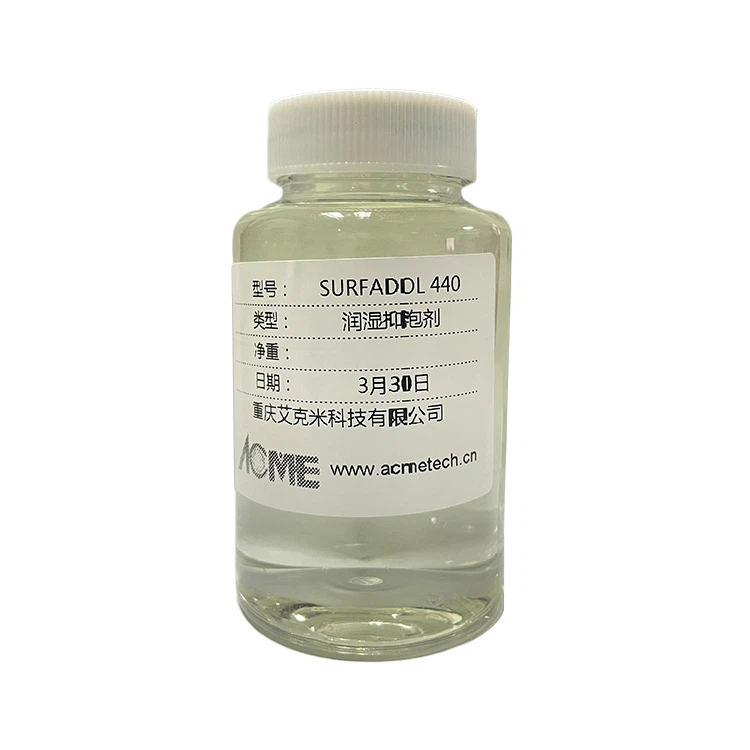
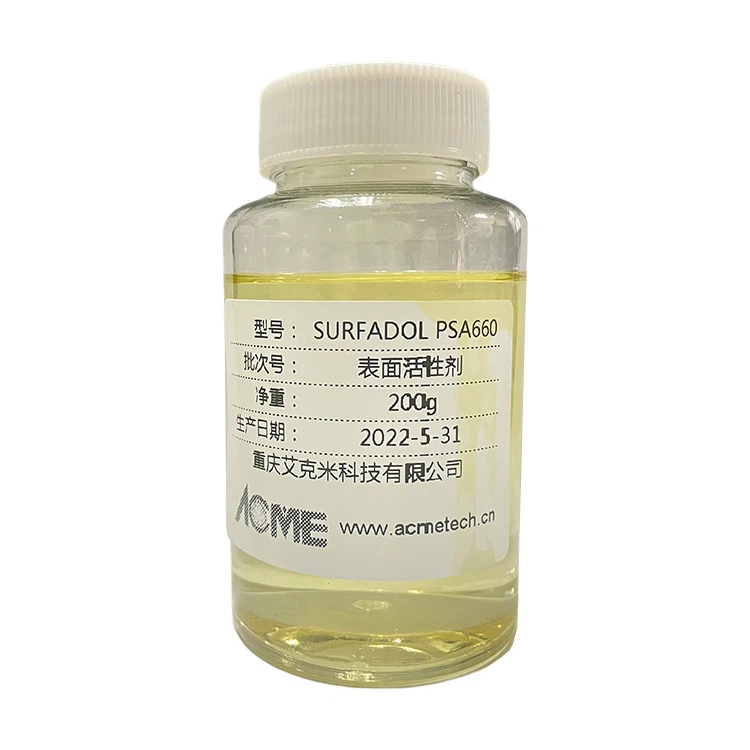
The chemical structure of non-ionic wetting agents is what gives them their unique properties and makes them so useful in a wide range of industries. Whether it's in paints, agriculture, or industrial cleaning, these little molecules play a big role.
If you're in the market for high-quality non-ionic wetting agents, don't hesitate to reach out. We're here to help you find the right product for your specific application. Let's start a conversation and see how we can work together to meet your needs.
References
- Adamson, A. W., & Gast, A. P. (1997). Physical Chemistry of Surfaces. Wiley.
- Rosen, M. J. (2004). Surfactants and Interfacial Phenomena. Wiley-Interscience.