

What is the impact of additives for dyes on the dyeing efficiency?
Dec 02, 2025
Hey there! As a supplier of additives for dyes, I've seen firsthand how these little substances can have a huge impact on dyeing efficiency. In this blog, I'm gonna break down what additives for dyes are, how they work, and the various ways they can boost the dyeing process.

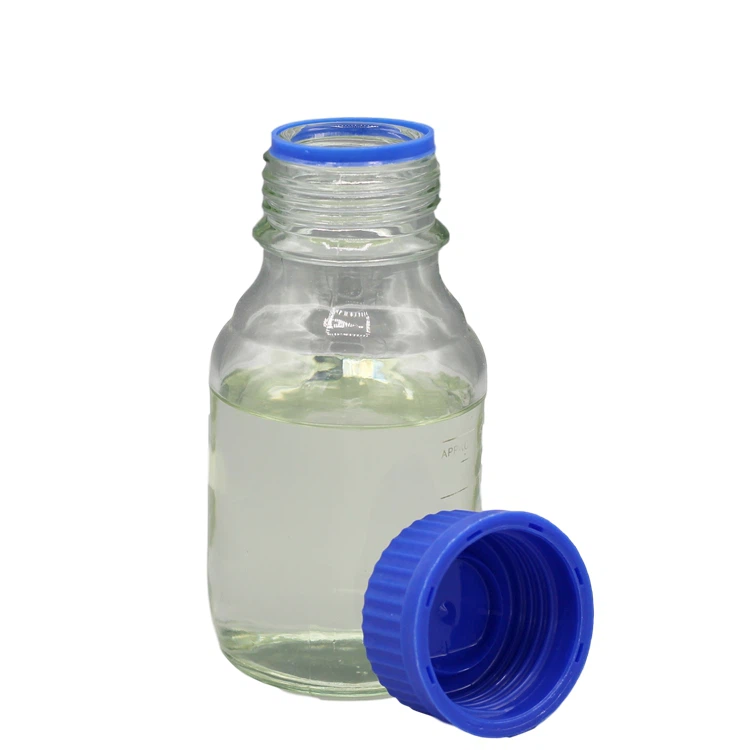
What Are Additives for Dyes?
Let's start with the basics. Additives for dyes are substances that are added to the dyeing process to enhance certain properties of the dye or the dyeing process itself. They can be organic or inorganic compounds, and they come in a wide range of types, each with its own specific function.
Some common types of additives for dyes include dispersing agents, leveling agents, fixing agents, and drying agents. Dispersing agents, like the Dispersing Agent for Polyester Dyeing, help to keep the dye particles evenly dispersed in the dye bath, preventing them from clumping together. This ensures a more uniform dyeing result. Leveling agents help to distribute the dye evenly across the fabric, reducing color variations. Fixing agents improve the fastness of the dye, making it more resistant to fading, washing, and rubbing. And drying agents, such as the Paint Dryer Additive, speed up the drying process of the dyed fabric.
How Do Additives Improve Dyeing Efficiency?
Now, let's talk about how these additives actually improve dyeing efficiency. One of the main ways is by enhancing the solubility and dispersion of the dye. When the dye particles are well-dispersed in the dye bath, they can more easily penetrate the fabric fibers, resulting in a more even and intense color. This means less dye is wasted, and the dyeing process is more efficient.
For example, the Dispersing Agent for Dyes works by reducing the surface tension between the dye particles and the water in the dye bath. This allows the dye particles to separate from each other and remain suspended in the solution, rather than settling at the bottom. As a result, the dye can be more effectively transferred to the fabric, leading to better color uptake and a more consistent dyeing result.
Another way additives improve dyeing efficiency is by reducing the dyeing time. Some additives, like fixing agents, can help to speed up the chemical reaction between the dye and the fabric fibers, allowing the dye to bond more quickly and firmly. This means that the fabric can be dyed in a shorter amount of time, which not only saves energy and water but also increases the productivity of the dyeing process.
In addition, additives can improve the quality and durability of the dyed fabric. Fixing agents, for instance, can enhance the color fastness of the dye, making it more resistant to fading, washing, and other forms of damage. This means that the dyed fabric will retain its color and appearance for a longer period of time, which is especially important for products that are exposed to harsh conditions or frequent use.
Impact on Different Types of Dyes and Fabrics
The impact of additives for dyes can vary depending on the type of dye and fabric being used. Different dyes have different chemical properties, and they may require different types of additives to achieve the best results. For example, reactive dyes, which are commonly used for dyeing cotton and other cellulose fibers, often require fixing agents to improve their color fastness. Acid dyes, on the other hand, which are used for dyeing wool, silk, and nylon, may benefit from leveling agents to ensure a more uniform color.
Similarly, different fabrics have different characteristics, and they may respond differently to additives. For instance, synthetic fabrics like polyester and nylon may require dispersing agents to help the dye penetrate the tightly packed fibers. Natural fabrics like cotton and wool, on the other hand, may be more receptive to additives that improve the softness and hand feel of the fabric.
Environmental and Cost Considerations
When using additives for dyes, it's important to consider the environmental and cost implications. Some additives may contain chemicals that are harmful to the environment, so it's important to choose additives that are eco-friendly and comply with relevant environmental regulations.
In terms of cost, while additives can increase the initial cost of the dyeing process, they can also lead to significant savings in the long run. By improving dyeing efficiency, reducing dye waste, and increasing the quality and durability of the dyed fabric, additives can help to lower the overall cost of production. Additionally, using high-quality additives can reduce the need for re-dyeing and other corrective measures, which can further save time and money.
Conclusion
In conclusion, additives for dyes play a crucial role in improving dyeing efficiency. They can enhance the solubility and dispersion of the dye, reduce the dyeing time, improve the quality and durability of the dyed fabric, and have a positive impact on different types of dyes and fabrics. As a supplier of additives for dyes, I'm committed to providing high-quality products that meet the needs of our customers and help them achieve the best possible dyeing results.
If you're interested in learning more about our additives for dyes or have any questions about how they can improve your dyeing process, I'd love to hear from you. Feel free to reach out to me for a chat or to discuss your specific requirements. Let's work together to take your dyeing efficiency to the next level!
References
- "Textile Dyeing and Finishing" by S. S. Burkinshaw
- "Dyeing of Textiles" by A. V. R. Reddy