


Inkjet Printing Additive
An inkjet additive is a substance formulated into inkjet inks to enhance specific properties and improve overall performance during the printing process. These additives are critical for optimizing the behavior of the ink as it passes through the printhead and interacts with the media being printed upon.
Description
Our product portfolio includes high-performance surfactants, defoamers and other additives. We improve key functions such as substrate wetting, foam control and pigment dispersion. At ACME, we help manufacturers convert solvent-based systems to water-based formulations to meet strict industry regulations.
Rich Product Range
We mainly produce wood coating additives, anti-mildew coating additives, wood coating additives, paints containing antibacterial additives, wood and furniture coating additives, industrial wood coating additives and so on.
Wide Range Of Uses
The products produced by our company can be widely used in the coating industry, paint and coating applications, paper and pulp industry, detergent and cleaning agent manufacturing, food processing, pharmaceutical industry and chemical production.
Quality Guaranteed
The products produced by our company have obtained ISO 9001, ISO 14001 and ISO 45001 certificates; REACH certificate, and all our products have been sold to more than 50 countries and regions.
Leading Service
We have many years of industry experience and a complete production management, quality supervision, sales service operation system. Whether you want to buy wood coating additives or industrial coating additives, just send your requirements via email and we can customize the product for you. We also accept OEM customization.
Related Product Introduction

Metalworking Fluids Surfactant
Surfactants in metalworking fluids serve multiple functions, primarily acting as detergents, emulsifiers, and wetting agents. They are amphiphilic molecules, meaning they have both hydrophobic (water-repelling) and hydrophilic (water-attracting) parts. As detergents, surfactants help to keep the metalworking fluid clean by emulsifying and suspending contaminants such as metal fines, chips, and tramp oils that are generated during machining processes. This prevents the settling of these contaminants at the bottom of the sump, which could lead to tank corruption and potential skin irritations or dermatitis among operators handling the fluid.

Metalworking fluids are complex mixtures used to lubricate, cool, clean, and protect metal surfaces during machining operations. These fluids can be classified into several types, including oils, water-based fluids (emulsions), pastes, and semi-synthetic fluids. To enhance their effectiveness and functionality, various additives are incorporated into these fluid formulations.

Pressure-Sensitive Adhesive Defoamer
A defoamer in pressure-sensitive adhesives (PSAs) is a substance added to the adhesive formulation to prevent or eliminate the formation of foam during manufacturing, application, or curing processes. Foam can be created by agitation, the incorporation of air during mixing, or the release of gases from chemical reactions within the adhesive. If left unchecked, foam can lead to inconsistent adhesive performance, reduced bond strength, and surface defects.

Wetting Agent For Pressure Sensitive Adhesives
Wetting agents for pressure-sensitive adhesives (PSAs) are surfactants that enhance the ability of the adhesive to spread and adhere to a variety of surfaces. They lower the surface tension of the adhesive solution, allowing it to wet out or flow more easily over the substrate, which improves contact between the adhesive and the surface. This increased contact is essential for good adhesion because it ensures that more of the adhesive's tackifying resin and polymer matrix can bond effectively with the substrate.

Performance Additives For Adhesives
Performance additives for adhesives are specialized chemical compounds that are mixed into adhesive formulations to enhance specific properties of the final product. These additives can significantly improve the performance of adhesives in terms of bond strength, flexibility, durability, open time, and cure speed. Some of the most common types of performance additives for adhesives include tackifiers, plasticizers, fillers, stabilizers, coupling agents, and UV stabilizers.
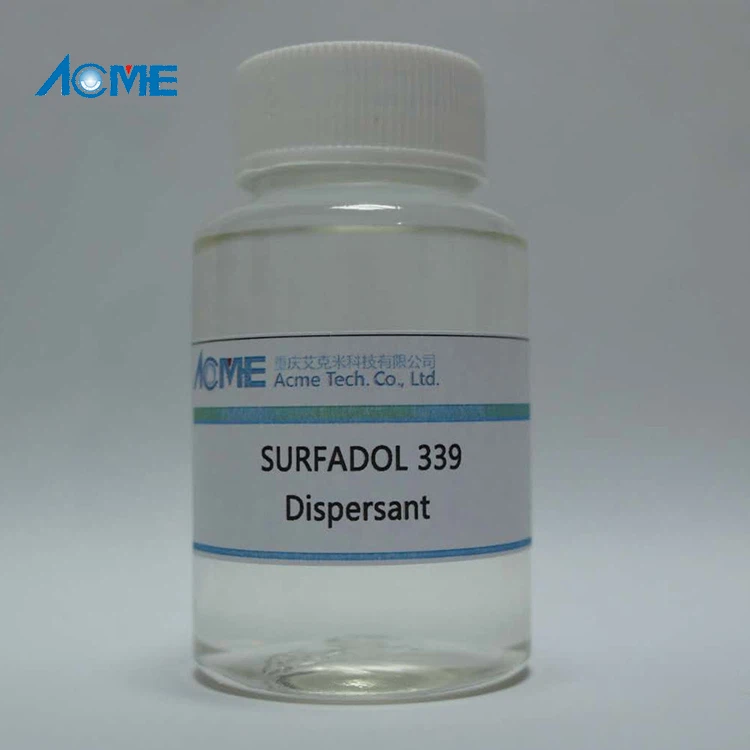
Superior Surfactants For Inkjet Inks
Superior surfactants for inkjet inks are designed to improve the wetting and spreading characteristics of the ink on the substrate, ensuring better print quality and consistency. These specialized surfactants are engineered to overcome the inherent surface tension of the ink, allowing for smoother flow through the printhead nozzles and promoting uniform droplet formation.

Defoamers For Latex Gloves And Coatings
Defoamers are specialized additives used in latex glove manufacturing and coating applications to prevent or eliminate the formation of foam. Foam can arise due to mechanical agitation, aeration during mixing, or the presence of releasing agents and other chemicals that lower surface tension. Excessive foaming can lead to processing issues, quality defects, and reduced efficiency in the production line.

Metalworking Fluids Surface Active Agent
Metalworking fluids contain surface active agents, commonly known as surfactants, which are substances that reduce the surface tension of liquids, thus improving their spreading and wetting properties. These agents play a vital role in the performance of metalworking fluids by enhancing their ability to penetrate and cool the cutting zone, as well as to flush away chips and other debris from the machining area.

Inkjet printing additives are specialized chemicals or compounds added to inkjet inks to improve the performance, quality, and stability of the printed output. These additives serve various functions and are tailored to address specific challenges encountered during the inkjet printing process, which includes digital printing, 3D printing, and even large-format graphics production. One of the primary roles of inkjet printing additives is to modify the rheological properties of the ink. This includes adjusting the viscosity and surface tension to ensure smooth flow through the printheads and to control droplet formation and ejection. Viscosity modifiers and surfactants are common additives used for this purpose.
An inkjet additive is a substance formulated into inkjet inks to enhance specific properties and improve overall performance during the printing process. These additives are critical for optimizing the behavior of the ink as it passes through the printhead and interacts with the media being printed upon.
Features of Inkjet Additive
Reduce Surface Tension
Inkjet Additive reduces the surface tension of the ink, thereby improving wetting and adhesion to the print media, resulting in sharper images with less bleeding or feathering.
Viscosity Control
Inkjet Additive maintains the flow characteristics of ink, which are critical for drop formation and consistent ink delivery to the printhead.
Nozzle Flow Optimization
Inkjet Additive improves the ability of ink to flow through the microscopic nozzles of the printhead, reducing the risk of nozzle clogging and ensuring smooth operation.
Drying Time Modification
By controlling drying time, additives prevent smudging and allow faster processing of printed materials, which is particularly useful in high-speed printing environments.
How to Choose Inkjet Additive
Ink Type
Different ink types (dye-based, pigment-based, solvent-based, etc.) require different additives for optimal performance. Choose additives designed for your specific ink type.
Application Requirements
Think about the characteristics you want to impart to your ink. For example, if you need faster drying times, look for additives that speed up evaporation or enhance ink absorbency.
Image Quality
If high resolution and vivid colors are important, choose additives that improve color rendering and contrast without affecting image clarity.
Durability
For prints that require long-term durability or are exposed to harsh environments, choose additives that increase abrasion resistance and protect against UV rays or fading.
Storage Stability
If you will be storing your ink for long periods of time, choose additives that prevent separation and sedimentation to ensure consistent ink quality over time.
How To Use Inkjet Additives Correctly
Adjust As Needed
Depending on the monitoring results, you may need to fine-tune additive dosage or make other adjustments to the ink formulation. Finding the best balance is often a process of trial and error.
Store Ink Correctly
Modified inks should be stored in a manner that prevents contamination and ensures that the additives remain effective. Use an airtight container and store it in a stable environment away from direct sunlight and heat sources.
Learn About the Uses Of Additives
Understand the expected effects of additives. Whether it is to improve wetting, reduce surface tension, prevent nozzle clogging, or other purposes, understanding its function will help you determine the best incorporation method.
Mix Properly
If additives need to be mixed with ink, please follow the specified dilution ratio. Use clean water, preferably distilled or deionized, to prepare the solution, and mix thoroughly to ensure even distribution of the additives.
Check Compatibility
Test the modified ink on a small, inconspicuous area of the print media to check compatibility. This helps prevent large-scale problems that can arise from unexpected reactions between the ink and additives.
How to Store Inkjet Additives
Generally, additives should be stored at room temperature, but some may require refrigeration or freezing to extend shelf life. Avoid exposure to extreme temperatures as it can degrade the additives.
Keep inkjet additives away from moisture to prevent them from clumping or reacting with water. Use airtight containers or packaging to protect additives from moisture. If an additive absorbs moisture, its performance and consistency will be affected.
Some inkjet additives may be light sensitive and may degrade when exposed to sunlight or artificial light for extended periods of time. Store additives in opaque containers or in dark, shaded areas to minimize exposure to light.
Make sure the container or package used to store inkjet additives is tightly sealed to prevent the ingress of air, moisture, or contaminants. This helps maintain the purity and integrity of the additive over time.
Store inkjet additives away from sources of contamination such as dust, dirt, chemicals or other materials that may affect their quality. Keep storage areas clean and organized to minimize the risk of contamination.
Frequently Asked Questions
Hot Tags: inkjet printing additive, China inkjet printing additive manufacturers, suppliers, factory, additives for enhancing automotive paint corrosion resistance, additives to increase automotive paint durability, additives for whiteners, additives for salts, automotive paint leveling additives, additives for attractants


