

Our product portfolio includes high-performance surfactants, defoamers and other additives. We improve key functions such as substrate wetting, foam control and pigment dispersion. At ACME, we help manufacturers convert solvent-based systems to water-based formulations to meet strict industry regulations.

01
Rich Product Range
We mainly produce wood coating additives, anti-mildew coating additives, wood coating additives, paints containing antibacterial additives, wood and furniture coating additives, industrial wood coating additives and so on.
02
Wide Range Of Uses
The products produced by our company can be widely used in the coating industry, paint and coating applications, paper and pulp industry, detergent and cleaning agent manufacturing, food processing, pharmaceutical industry and chemical production.
03
Quality Guaranteed
The products produced by our company have obtained ISO 9001, ISO 14001 and ISO 45001 certificates; REACH certificate, and all our products have been sold to more than 50 countries and regions.
04
Leading Service
We have many years of industry experience and a complete production management, quality supervision, sales service operation system. Whether you want to buy wood coating additives or industrial coating additives, just send your requirements via email and we can customize the product for you. We also accept OEM customization.
-

Car paint additives are specialized chemical compounds added to automotive paints to improve certain properties or to achieve specific effects. These additives can be mixed into the paint before
Add to Inquiry -
Coating Additives for Automotive Coating
Surfadol 541E is a multifunctional surfactant providing combined dynamic wetting and molecular defoaming in waterborne coatings and inks.It can be used for automotive coating
Add to Inquiry -
Surfadol 420 is an flex additive for auto paint.Provides performance similar to Surfadol 541 with improved handling characteristics in waterborne coatings, inks, and adhesives systems. Solvent and
Add to Inquiry -
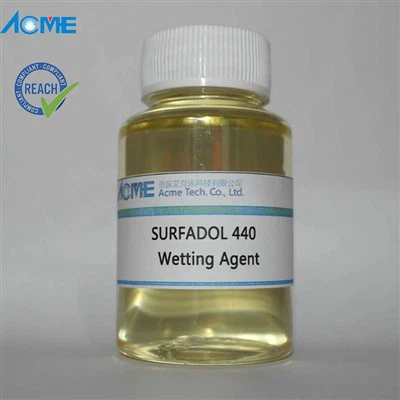
Surfadol 440 is an ethoxylated low-foam wetting agent,Surfadol 440 surfactant,It can be used for Car paint additives
Add to Inquiry -
An ethoxylated low-foam wetting agent . Surfadol 465 surfactant is an ethoxylated acetylenic diol that provides low foam surface tension reduction with improved solubility and compatibility in
Add to Inquiry -
Surfadol PSA 336 water based paint additives can provide excellent dynamic wetting with minimal foam generation.
Add to Inquiry -
Surfadol 541E surfactant is a Gemini wetting agent and molecular defoamer.Provides defect-free defoaming and dynamic wetting benefits in waterborne coatings, inks, adhesives systems, and agricultural
Add to Inquiry -
Additives for Automotive Refinish Coatings
Surfadol 541PA is a nonionic wetting agent and molecular defoamer. Provides dynamic wetting and defoaming in waterborne coatings, inks, and adhesives systems. Enhances wetting of a variety of
Add to Inquiry




What is Automotive Paint Additives
Automotive paint additives are chemical substances added to automotive paint formulations to modify or enhance their properties and performance. These additives serve various functions and are crucial for achieving desired coating characteristics and application requirements in the automotive industry. Automotive paint additives can include a wide range of compounds, each designed to fulfill specific purposes.
Features of Automotive Paint Additives
Improved Durability
Automotive paint additives can improve the durability of the paint, making it more resistant to weathering, corrosion, and abrasion.
Increased Productivity
Process additives can reduce drying times and improve the stability of the paint during storage, reducing production time and increasing productivity.
Enhanced Appearance
Automotive paint additives can improve the appearance of the paint, resulting in a smoother, more uniform finish.
Improved Application
Functional additives can improve the flow and leveling properties of the paint, making it easier to apply and reducing the risk of defects.
Enhanced Protection
Performance additives can protect the paint from UV radiation, corrosion, and microbial growth, enhancing the protection of the painted surface.
Improved Sustainability
Automotive paint additives can improve the sustainability of the painting process by reducing waste and improving the efficiency of production.
Types of Automotive Paint Additives
Functional Additives
Functional additives are added to paint to improve its properties and performance. They can improve the paint's adhesion, flow, and leveling properties.
Process Additives
Process additives are added to paint to improve the manufacturing process. They can improve the stability of the paint during storage, reduce drying times, and improve the quality of the final product.
Performance Additives
Performance additives are added to paint to improve its performance properties. They can improve the durability, weather resistance, and chemical resistance of the paint.
How to Choose Automotive Paint Additives
Type Of Paint
Different types of paint require different types of additives. For example, water-based paints may require different additives than solvent-based paints.
Application Method
The application method can also affect the choice of additives. For example, additives that improve the flow and leveling properties of the paint may be more important for spray applications than for brush applications.
Performance Requirements
The performance requirements of the painted surface will also influence the choice of additives. For example, if the painted surface will be exposed to UV radiation, UV absorbers may be required to protect the paint from fading and degradation.
Disvantage of Using Automotive Paint Additives
Compatibility Issues
Certain additives may not be compatible with specific paint formulations or other additives, leading to chemical incompatibilities, phase separation, or stability issues. It's crucial to test additives thoroughly to ensure compatibility and avoid adverse reactions.
01
Reduced Pot Life
Some additives, such as accelerators or curing agents, may shorten the pot life of automotive paint formulations. This can limit the time available for application and may require adjustments to application techniques or equipment.
02
Alteration of Paint Properties
While additives can enhance certain paint properties, they may also alter other properties, such as viscosity, drying time, or gloss level. Excessive use of additives or improper formulation can result in undesirable changes to the paint's performance or appearance.
03
Overreliance on Additives
Relying too heavily on additives to compensate for deficiencies in paint formulations or application processes may mask underlying issues rather than addressing them effectively. It's essential to identify and address root causes rather than relying solely on additives to achieve desired outcomes.
04
Limited Shelf Life
Some additives may have limited shelf life or stability, particularly those prone to degradation or oxidation over time. Proper storage conditions and handling procedures are necessary to ensure the longevity and effectiveness of additives throughout their shelf life.
05
How to Use Automotive Paint Additives

Select the Right Additive
Choose additives based on the desired properties or enhancements needed for the automotive paint formulation. Common additives include flow agents, leveling agents, curing agents, UV stabilizers, and anti-foaming agents. Ensure that the selected additive is compatible with the paint system and other additives.
Prepare the Paint Formulation
Prepare the automotive paint formulation according to the manufacturer's instructions, ensuring that all components are properly mixed and homogeneous. Adjust the viscosity, pigment dispersion, and other parameters as necessary before adding the additive.
Add the Additive Gradually
Add the automotive paint additive gradually to the paint formulation while stirring continuously to ensure thorough dispersion and uniform distribution. Avoid adding the additive too quickly or in large quantities to prevent clumping, foaming, or destabilization of the paint mixture.
Mix Thoroughly
Mix the paint formulation thoroughly after adding the additive to ensure proper integration and compatibility. Use mechanical agitation or mixing equipment to achieve homogeneity and consistency in the paint mixture.
Perform Compatibility Testing
Conduct compatibility testing to ensure that the additive does not adversely affect the paint formulation or other additives. Test the compatibility of the additive with the paint substrate, solvent system, and other components to avoid potential issues during application or curing.
Adjust Application Parameters
Adjust the application parameters, such as spray gun settings, air pressure, and nozzle size, to accommodate the modified paint formulation with the additive. Consider the impact of the additive on viscosity, flow characteristics, and drying/curing time when applying the paint.
Monitor Performance
Monitor the performance of the paint formulation with the additive during application, drying, and curing stages. Evaluate key parameters such as film thickness, gloss level, adhesion, durability, and resistance to environmental factors.
Make Adjustments as Needed
Make adjustments to the paint formulation or application parameters based on the observed performance and feedback. Fine-tune the dosage, mixing ratio, or additive selection to optimize the desired paint properties and achieve the desired outcome.

How to Store Automotive Paint Additives
Store in Original Containers
Keep automotive paint additives in their original containers or packaging to ensure proper labeling, identification, and protection from contamination. Avoid transferring additives to other containers unless necessary and ensure that all containers are tightly sealed to prevent leakage or evaporation.
Store in Original Containers
Keep automotive paint additives in their original containers or packaging to ensure proper labeling, identification, and protection from contamination. Avoid transferring additives to other containers unless necessary and ensure that all containers are tightly sealed to prevent leakage or evaporation.
Control Temperature
Maintain a consistent temperature range for storing automotive paint additives, typically between 50°F to 77°F (10°C to 25°C). Avoid exposure to extreme temperatures, fluctuations, or direct sunlight, as they can accelerate degradation and reduce shelf life.
Prevent Freezing
Protect automotive paint additives from freezing temperatures, as freezing can cause irreversible damage to certain additives and alter their chemical composition. Store additives in a climate-controlled environment or insulated storage area to prevent freezing during cold weather.
Avoid Exposure to Light
Minimize exposure to direct sunlight or UV radiation, as light exposure can degrade certain additives and reduce their effectiveness over time. Store additives in opaque or UV-resistant containers and shield them from light sources to maintain stability and performance.
Handle With Care
Handle automotive paint additives with care to prevent spills, leaks, or accidents. Use appropriate handling procedures, lifting equipment, and personal protective equipment (PPE) when handling and transporting additive containers.
Applications of Automotive Paint Additives
Adhesion Promotion
Automotive paint additives improve the adhesion of coatings to substrates, such as metal, plastic, and composite materials. They promote molecular bonding between the paint film and the substrate surface, ensuring strong adhesion and preventing issues like peeling, chipping, or delamination.
Leveling and Flow Control
Additives such as leveling agents and flow modifiers improve the flow properties of automotive coatings, ensuring smooth and uniform film formation. They reduce surface imperfections such as brush marks, orange peel, or sagging, resulting in a flawless finish.
UV Protection
UV stabilizers and absorbers are used in automotive paint formulations to protect the paint film from degradation caused by exposure to ultraviolet (UV) radiation. They prevent color fading, chalking, cracking, and deterioration of the paint, ensuring long-lasting color retention and gloss retention.
Scratch and Abrasion Resistance
Automotive paint additives enhance the scratch and abrasion resistance of coatings, improving their durability and protecting the underlying substrate from damage. They form a tough and resilient barrier that withstands wear and tear caused by daily use, road debris, and environmental factors.
Chemical Resistance
Additives such as crosslinkers and curing agents improve the chemical resistance of automotive coatings, making them resistant to fuels, oils, solvents, and other harsh chemicals. They create a chemically inert barrier that protects the paint film from corrosion, staining, and degradation.
Weatherability
Automotive paint additives enhance the weatherability of coatings, making them resistant to environmental factors such as moisture, humidity, temperature fluctuations, and acid rain. They ensure that the paint maintains its appearance, integrity, and performance under harsh weather conditions.
Anti-Corrosion Protection
Corrosion inhibitors and anti-rust additives are used in automotive coatings to prevent corrosion and rust formation on metal substrates. They form a protective barrier that inhibits the oxidation and deterioration of the metal surface, prolonging its lifespan and appearance.
Color Enhancement
Automotive paint additives include colorants, pigments, and tinting agents that enhance the color intensity, opacity, and vibrancy of coatings. They allow for customization of colors and special effects, meeting consumer preferences and design requirements.
Anti-Foaming and Deaeration
Additives such as defoamers and deaerators control foam formation and air entrapment in automotive coatings, ensuring a smooth and bubble-free application. They eliminate surface defects caused by foam bubbles and improve the overall appearance of the paint finish.
Biocidal Protection
Biocides and fungicides prevent microbial growth and contamination on automotive coatings, protecting against mold, mildew, algae, and bacteria. They preserve the integrity and cleanliness of the paint film, reducing the risk of discoloration, odor, and deterioration.
Frequently Asked Questions
As one of the most professional automotive paint additives manufacturers and suppliers in China, we're featured by quality products and good service. Please rest assured to buy automotive paint additives at competitive price from our factory. Contact us for free sample.
automotive paint dispersants, vehicle paint drying additives, uv protection additives for automotive paint