

ACME:Your Professional Additives for Latex Dipping Manufacturer!
Founded by Mr. John Sun in September 2004, Chongqing ACME Tech. Co., Ltd. (ACME) has been focusing on R&D, production and sales of acetylenic diols based additives.
At ACME, we enable manufacturers to convert solvent-borne systems to waterborne formulations that meet demanding industry regulations. We offer a growing line of APEO-free, low-VOC additives that meet the most challenging sustainability and performance requirements facing the industry today.
-

Defoamers for Latex Gloves and Coatings
Surfadol 607 is a nonionic superl wetting agent provides extremely low dynamic and static surface
Add to Inquiry -
Mineral Oil Based Defoamer formulation
SURFADOL A510 is a 95% active alkynyl alkane and non-silicon defoamer, It has effective foam
Add to Inquiry -
Latex Dipping Coagulant Defoamer
SURFADOL LG surfactant provides excellent wetting as well as excellent foam control to coagulant
Add to Inquiry -
Additives for Coagulant Dipping Process
SURFADOL FS-85 is solvent-free, low foaming wetting agent surfactant. It is based on acetylenic
Add to Inquiry -
SURFADOL 2502 represents the first in a series of ethoxylated/ propoxylated acetylenic-based
Add to Inquiry


Why Choose Us
Rich Product Range
We mainly produce wood coating additives, anti-mildew coating additives, wood coating additives, paints containing antibacterial additives, wood and furniture coating additives, industrial wood coating additives and so on.
Wide Range Of Uses
The products produced by our company can be widely used in the coating industry, paint and coating applications, paper and pulp industry, detergent and cleaning agent manufacturing, food processing, pharmaceutical industry and chemical production.
Quality Guaranteed
The products produced by our company have obtained ISO 9001, ISO 14001 and ISO 45001 certificates; REACH certificate, and all our products have been sold to more than 50 countries and regions.
Leading Service
We have many years of industry experience and a complete production management, quality supervision, sales service operation system. Whether you want to buy wood coating additives or industrial coating additives, just send your requirements via email and we can customize the product for you. We also accept OEM customization.
Typical Properties
|
Chemical description |
Ethoxylated acetylenic gemini surfactant |
|
Appearance |
Clear colored liquid |
|
APHA Color (Pt-Co) |
≤350 |
|
PH Value |
5.0-7.0 |
|
Density g/cm3 (25℃) |
0.970-1.000 |
|
Active matter content |
100% |
Advantages of Additives for Latex Dipping

Improved Product Properties:
Enhanced Durability and Resistance: Additives like antioxidants improve the latex film's resistance to aging factors such as oxygen, heat, light, and ozone, increasing product lifespan.
Modified Mechanical Properties: Fillers, such as carbon black or silica, can be used to adjust the tensile strength, tear strength, and modulus (stiffness) of the latex film, depending on the desired product characteristics. Some fillers can even help to improve elongation and flexibility.
Reduced Allergic Reactions: In natural rubber latex, modified versions and specific additives can be used to reduce the protein content responsible for latex allergies, making products safer for sensitive individuals.
Improved Surface Properties: Additives can improve properties like tack, slip resistance, and surface finish. For instance, chlorination can be used to create a smoother surface on latex gloves.
Enhanced Processing Efficiency:
Optimized Viscosity: Viscosity-increasing additives like fumed silica can be added to the latex dispersion to enable the production of thicker dipped articles at the same latex solids concentration.
Improved Wetting and Dispersion: Wetting agents help ensure uniform coating of the latex onto the formers, especially in areas like finger joints where poor wetting can be an issue. Dispersants improve compound stability and address viscosity problems.
Foam Control: Defoamers help reduce or eliminate foam in the latex dipping tanks, preventing defects in the final products.
Faster Vulcanization: Accelerators, in conjunction with activators, can speed up the vulcanization process, increasing production efficiency.
Streamlined Processes: Additives can potentially reduce or eliminate certain steps in the dipping process, such as excessive washing to reduce protein content.

Application of Additives for Latex Dipping
Gloves: Coagulant dipping is a key process in thin glove manufacture, where coagulant diffuses into the latex, causing a gel layer to form on the former.
Balloons and Bladders: Dipping latex is used to create custom balloons and bladders, often requiring specific additives for desired properties like elasticity and color.
Types of Additives for Latex Dipping
Cross - Linking Agents
Cross - linking agents are additives that create covalent bonds between polymer chains in the latex. By increasing the cross - link density, the latex becomes more resistant to chemical attack. For example, sulfur - based cross - linking agents are commonly used in natural rubber latex. When sulfur reacts with the double bonds in the rubber polymer, it forms cross - links that make the latex more rigid and less permeable to acids and alkalis.
01
Fillers
Fillers are inert materials added to latex to improve its mechanical and chemical properties. In terms of chemical resistance, fillers can act as barriers to the penetration of acids and alkalis. For example, silica fillers can create a tortuous path for the diffusion of chemicals, slowing down their movement through the latex.
02
Defoamers
Defoamers play an important role in the latex dipping process. During the dipping process, air bubbles can be trapped in the latex, which can weaken the final product and reduce its chemical resistance. Defoamers help to break and prevent the formation of air bubbles.
03
Stabilizers
Stabilizers are additives that prevent the degradation of latex during storage and use. Oxidation, which can be accelerated by the presence of acids or alkalis, can cause the latex to lose its mechanical and chemical properties. Antioxidants and UV stabilizers are two types of stabilizers commonly used in latex dipping.
04
Antiozonants
Antiozonants are additives specifically designed to protect latex from ozone attack. They work by reacting with ozone before it can react with the latex polymer. There are two main types of antiozonants: physical and chemical.
05
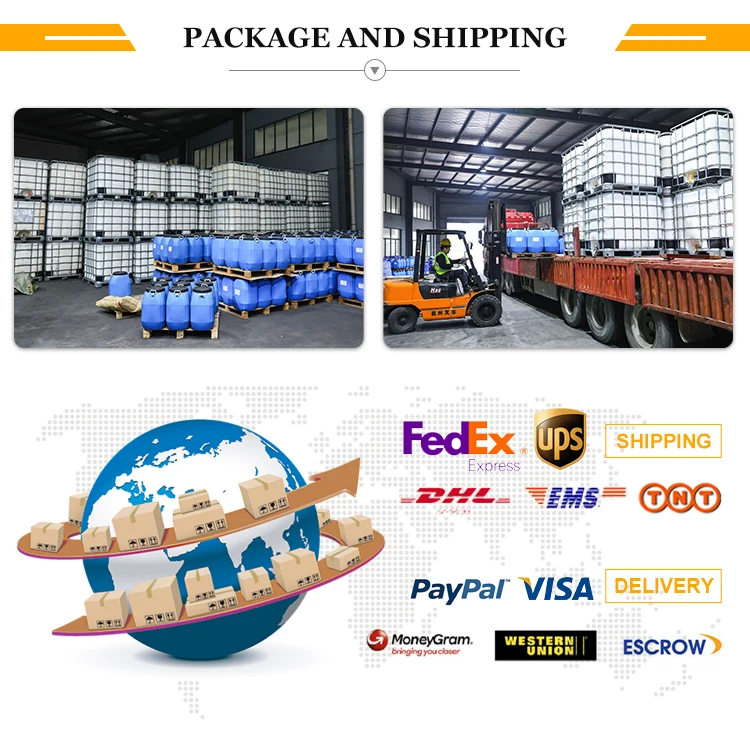
Packaging and Shipping
FAQ
As one of the most professional additives for latex dipping manufacturers and suppliers in China, we're featured by quality products and good service. Please rest assured to buy additives for latex dipping at competitive price from our factory. Contact us for free sample.
additives for biocides, additives for compatibilizers, vehicle paint durability additives