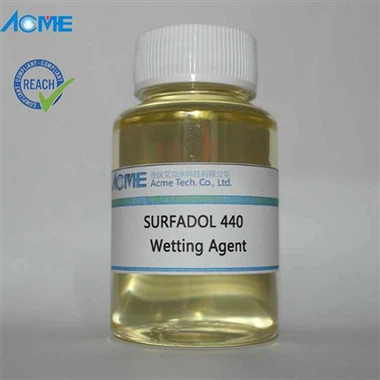
Automotive Coating Additives
Car paint additives are specialized chemical compounds added to automotive paints to improve certain properties or to achieve specific effects. These additives can be mixed into the paint before application or applied as a separate layer after the basecoat or clearcoat has dried.
Description
Our product portfolio includes high-performance surfactants, defoamers and other additives. We improve key functions such as substrate wetting, foam control and pigment dispersion. At ACME, we help manufacturers convert solvent-based systems to water-based formulations to meet strict industry regulations.
Rich Product Range
We mainly produce wood coating additives, anti-mildew coating additives, wood coating additives, paints containing antibacterial additives, wood and furniture coating additives, industrial wood coating additives and so on.
Wide Range Of Uses
The products produced by our company can be widely used in the coating industry, paint and coating applications, paper and pulp industry, detergent and cleaning agent manufacturing, food processing, pharmaceutical industry and chemical production.
Quality Guaranteed
The products produced by our company have obtained ISO 9001, ISO 14001 and ISO 45001 certificates; REACH certificate, and all our products have been sold to more than 50 countries and regions.
Leading Service
We have many years of industry experience and a complete production management, quality supervision, sales service operation system. Whether you want to buy wood coating additives or industrial coating additives, just send your requirements via email and we can customize the product for you. We also accept OEM customization.
Related Product Introduction

UV protection additives, also known as UV stabilizers or UV absorbers, are chemical compounds included in coatings, inks, plastics, and other materials to protect them from damage caused by ultraviolet (UV) radiation. UV rays can lead to material degradation, which manifests as fading, yellowing, embrittlement, and loss of mechanical strength.

Waterborne inks are formulated using water as the primary solvent, which makes them an environmentally friendly alternative to traditional solvent-based inks. To enhance the performance and characteristics of waterborne inks, various additives are used. These additives serve multiple functions, such as improving flow and stability, adjusting drying times, enhancing print quality, and providing resistance to abrasion and chemicals.

Emulsion paint additives are specialized chemicals incorporated into water-based paint formulations to enhance various aspects of the paint's performance and application. These additives address issues related to stability, flow, application, and final appearance, ensuring that the emulsion paint performs well under different conditions.

Defoaming coating additives are chemical agents that are added to paint formulations to prevent or minimize the formation of air bubbles, known as foam, during the manufacturing, mixing, application, and curing processes of coatings. Foam can negatively impact the quality and appearance of the coated surface by causing pinholing, cratering, and inconsistent film thickness.
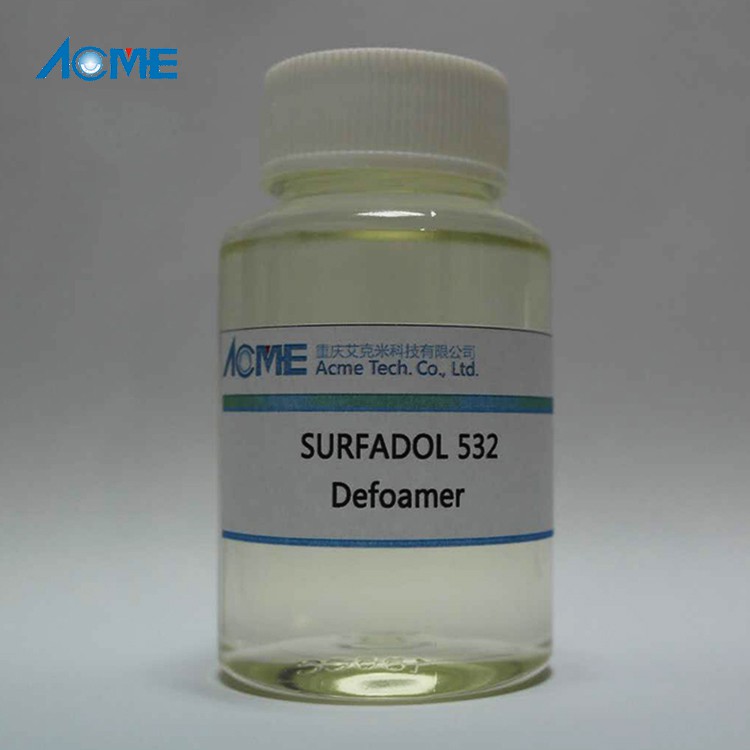
Decorative coating additives are specialized ingredients formulated to improve the visual appeal, application characteristics, and durability of decorative paints used on residential and commercial interior and exterior surfaces. These additives serve various functions and can be tailored to meet specific performance criteria based on the type of coating and its intended use.

Additives For Automotive Refinish Coatings
Additives for automotive refinish coatings play a critical role in enhancing the performance and quality of the paint. These specialized chemicals are incorporated into the coating formulation to impart various desirable properties that improve the application process, durability, and overall aesthetics of the finish.

Paint additives for texture are designed to give the finished paint job a specific tactile feel or appearance. These additives can be used to create a variety of textures, from subtle stippling to heavy, raised patterns. They work by altering the consistency and behavior of the paint, affecting how it applies to the surface and how it dries.

Water-based paint additives are specialized chemicals formulated to enhance the performance and properties of paints that use water as a solvent or medium. These additives address various aspects of the painting process, including application, drying, film formation, and final appearance.

Automotive coating additives are specialized chemical compounds added to paint formulations to improve the performance, appearance, and durability of coatings applied to automotive surfaces. These additives can modify the properties of the coating in various ways, depending on their purpose and the desired outcome.

Car paint additives are specialized chemical compounds added to automotive paints to improve certain properties or to achieve specific effects. These additives can be mixed into the paint before application or applied as a separate layer after the basecoat or clearcoat has dried.
Features of Car Paint Additives
Improve Durability
Car Paint Additives extend the life of your paint by providing better resistance to chips, scratches and weathering.
01
Enhance Gloss
Car Paint Additives are formulated to increase the shine and depth of paint, making your car look more vibrant and attractive.
02
UV Protection
By adding UV inhibitors, paint can be better protected against fading and premature aging caused by exposure to sunlight.
03
Reduce Maintenance
Car Paint Additives have self-cleaning and protective properties that reduce the frequency of washing and waxing required to maintain your car's appearance.
04
Corrosion Inhibition
Car Paint Additives can help prevent rust and corrosion by providing a protective barrier on the metal surface beneath the paint.
05
How to Choose Car Paint Additives
Learn About Paint Types
Determine whether your car's paint is a one-stage system (which includes color and clearcoat) or a two-stage system (which requires separate primer and clearcoat). Each type is formulated with different additives.
Determine Needs
Evaluate what you want to improve or achieve with additives. Do you need increased durability, improved shine, better wetting or UV protection? Knowing your goals will narrow down your options.
Research Additives
Research the types of additives available and their functions. Read product descriptions, reviews and data sheets to learn about their benefits and how they interact with coatings.
Consider Environmental Factors
Consider the environment in which the car is driven. If you live in an area with strong sun exposure, UV protectants are essential. For areas with a lot of road salt or moisture, corrosion inhibitors may be needed.
Check Compatibility
Make sure the additive is compatible with your specific brand and type of paint. Incompatible additives may cause problems such as fish eyes, fogging, or negatively affect the performance of the coating.
Safety and Operations
Pay attention to safety precautions related to handling and using additives. Use appropriate protective equipment and follow all storage and disposal instructions.
How to Use Car Paint Additives
Prepare the Surface
Before adding any additives to the paint, make sure the car's surface is clean, dry and free of contaminants. Wash and dry the car thoroughly, then sand and polish as needed to remove any imperfections.
Mixing Additives
Measure out the correct amount of additive and mix it into the paint according to the instructions. Use a stir stick or mixing paddle to ensure the additives are thoroughly mixed into the paint. Avoid air bubbles during mixing.
Test Mixture
Apply a small test patch of the mixed paint to an inconspicuous area of your car or practice pad. Let it cure completely, then check for any problems, such as fish eyes, fogging, or inconsistent texture.
Paint
Once you've verified that the mixture is stable and free of defects, paint as normal, following your preferred painting technique. Make sure to work in a well-ventilated area and wear appropriate protective gear.
Cured Paint
Allow the paint to cure for the recommended time specified by the additive manufacturer. Avoid washing, waxing, or exposing newly painted areas to harsh conditions until the paint has completely cured.
Aftercare
After the paint is completely cured, follow any additional after-paint care instructions provided by the additive manufacturer. This may include buffing, polishing or sealing the paint to enhance its appearance and protection.
How to Store Car Paint Additives
Ensure the additives are tightly sealed to prevent them from drying out, evaporating, or absorbing moisture and contaminants from the air.
Keep additives in their original containers unless the instructions specify otherwise. The containers are designed to protect the contents from light, air, and contaminants.
Store the additives in a cool, dry place away from direct sunlight, heat sources, and cold temperatures. Exposure to extreme conditions can affect the chemical stability of the additives.
To prevent accidental ingestion or spills, store the additives in a secure location that is out of reach of children and pets.
Clearly label the containers with the name of the additive, the date of purchase or opening, and the expiration date if applicable. This helps prevent confusion and ensures that expired products are not used.
Use sturdy shelves or racks designed for chemical storage to keep the additives organized and prevent them from tipping over.
Frequently Asked Questions
Hot Tags: automotive coating additives, China automotive coating additives manufacturers, suppliers, factory, finish enhancers for car paint, automotive paint rheology modifiers, paint additives for automobiles, additives to improve automotive paint leveling, vehicle paint additives, gloss additives for automotive paint