

Do water soluble wetting agents cause corrosion in metals?
Oct 31, 2025
Do water soluble wetting agents cause corrosion in metals? That's a question I get asked a lot as a supplier of Water Soluble Wetting Agents. And it's a valid one, considering metals are used in so many industries, from construction to manufacturing. In this blog, I'll dive into this topic, sharing what I've learned over the years in the business.
First off, let's understand what water soluble wetting agents are. These are substances that reduce the surface tension of water, allowing it to spread more easily over a surface. They're used in a wide range of applications, like in paints, coatings, and cleaning products. You can check out some of our products here: Defoamer and De-airentrainer for Concrete Admixtures, Low Foam Nonionic Wetting Agent, and Environmentally Friendly Wetting Agent.
Now, onto the big question: can these wetting agents cause corrosion in metals? Well, the answer isn't a simple yes or no. It depends on several factors.
One of the key factors is the chemical composition of the wetting agent. Some wetting agents contain chemicals that can be corrosive to certain metals. For example, agents with high levels of acids or alkalis can react with metals and cause corrosion over time. However, most modern water soluble wetting agents are formulated to be as non - corrosive as possible. Manufacturers, including us, go through a lot of testing to ensure that our products don't cause harm to metals under normal use conditions.
The type of metal also plays a huge role. Different metals have different levels of resistance to corrosion. For instance, stainless steel is known for its high corrosion resistance due to the presence of chromium, which forms a protective oxide layer on the surface. On the other hand, metals like iron and aluminum are more prone to corrosion. So, a wetting agent that might not cause any issues with stainless steel could potentially cause problems for iron or aluminum.
The environment in which the metal and the wetting agent come into contact is another important factor. If the metal is exposed to a humid or salty environment, it's already at a higher risk of corrosion. When a wetting agent is added to this mix, it could potentially accelerate the corrosion process. But again, this is not always the case. If the wetting agent is properly formulated and used in the right concentration, it can actually help protect the metal. For example, some wetting agents can form a thin film on the metal surface, acting as a barrier against moisture and other corrosive elements.
Let's talk about some real - world scenarios. In the construction industry, wetting agents are often used in concrete admixtures. Concrete contains a lot of water, and wetting agents help the water to spread evenly throughout the mix, improving the workability of the concrete. When it comes to the metals in the form of reinforcement bars (rebars) in the concrete, the wetting agents in the admixture need to be carefully selected. If a corrosive wetting agent is used, it could lead to the corrosion of the rebars, which can seriously compromise the structural integrity of the building. That's why we offer Defoamer and De - airentrainer for Concrete Admixtures that are specifically formulated to be non - corrosive to the metals used in construction.
In the manufacturing industry, wetting agents are used in metal cleaning and degreasing processes. Here, the goal is to clean the metal surfaces without causing any damage. Our Low Foam Nonionic Wetting Agent is a great option for these applications. It has a low foaming characteristic, which is important in industrial cleaning processes, and it's designed to be gentle on metals, minimizing the risk of corrosion.
Another aspect to consider is the concentration of the wetting agent. Using a wetting agent in too high a concentration can increase the risk of corrosion. Just like with any chemical, more isn't always better. It's important to follow the manufacturer's instructions regarding the proper concentration for a specific application.
We also have Environmentally Friendly Wetting Agent in our product line. These agents are not only better for the environment but also tend to be less corrosive. They are formulated using natural and biodegradable ingredients, which reduces the risk of chemical reactions that could lead to corrosion.
So, in conclusion, water soluble wetting agents don't necessarily cause corrosion in metals. It all boils down to the chemical composition of the agent, the type of metal, the environment, and the concentration of the agent. As a supplier, we take all these factors into account when formulating our products. We conduct extensive tests to ensure that our wetting agents are safe to use with metals in various applications.

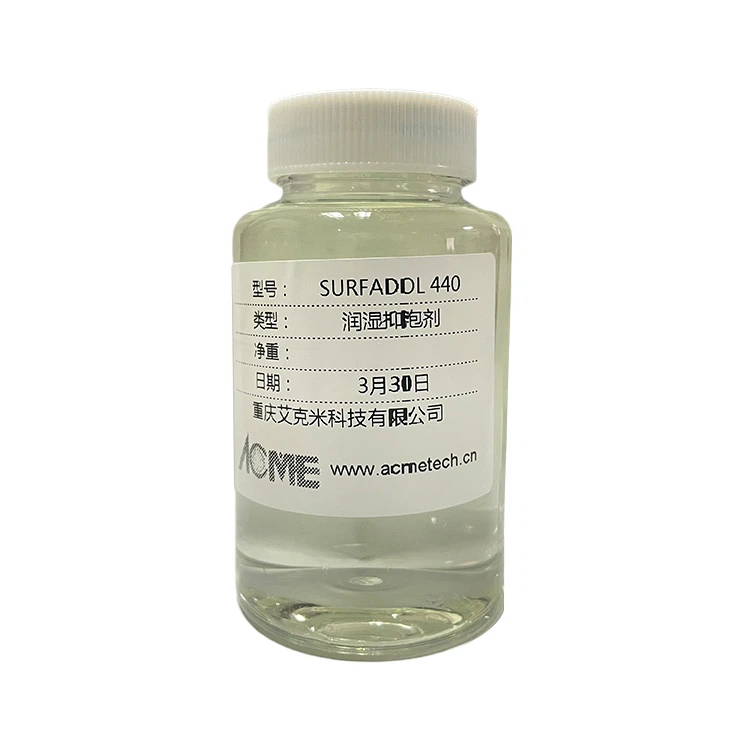
If you're in the market for water soluble wetting agents and are worried about corrosion in metals, don't hesitate to reach out. We can provide you with detailed information about our products, their compatibility with different metals, and how to use them safely. Whether you're in the construction, manufacturing, or any other industry that uses metals, we have the right wetting agent for you. Let's start a conversation about your specific needs and find the best solution together.
References
- ASTM International standards on corrosion testing of metals
- Journal of Industrial and Engineering Chemistry - Research on wetting agents and their effects on metals
- Technical reports from leading wetting agent manufacturers