

How does Gemini Surfactant interact with chitosan?
Oct 31, 2025
Hey there! As a supplier of Gemini Surfactant, I've been getting a lot of questions lately about how it interacts with chitosan. So, I thought I'd dive into this topic and share what I've learned.
First off, let's talk a bit about what Gemini Surfactant and chitosan are. Gemini Surfactants are a relatively new type of surfactant. They've got this really cool structure - basically, they're made up of two hydrophilic head groups and two hydrophobic tail groups connected by a spacer. This unique structure gives them some pretty amazing properties compared to traditional surfactants. They've got better surface - activity, lower critical micelle concentration (CMC), and enhanced solubility.
On the other hand, chitosan is a natural polymer that's derived from chitin, which you can find in the shells of crustaceans like crabs and shrimps. It's got a bunch of great properties too, like biocompatibility, biodegradability, and antimicrobial activity. That's why it's used in so many different fields, from medicine to food packaging.
So, how do these two substances interact? Well, there are a few ways. One of the main interactions is through electrostatic forces. Chitosan has amino groups that can be protonated in acidic solutions, giving it a positive charge. Many Gemini Surfactants have anionic or cationic head - groups. When you mix them in the right conditions, if the Gemini Surfactant has an anionic head - group, it'll be attracted to the positively charged chitosan. This electrostatic attraction can lead to the formation of complexes between the two.
These complexes can have some really interesting effects. For example, they can change the solubility of chitosan. Normally, chitosan is only soluble in acidic solutions. But when it forms a complex with a Gemini Surfactant, its solubility can be improved, even in more neutral or slightly basic conditions. This is super useful because it expands the range of applications where chitosan can be used.
Another way they interact is through hydrophobic interactions. The hydrophobic tails of the Gemini Surfactant can interact with the hydrophobic parts of chitosan. This can lead to the formation of micelle - like structures around the chitosan chains. These structures can protect the chitosan from degradation and also affect its rheological properties. For instance, the solution might become more viscous, which can be beneficial in applications like coatings or adhesives.
Now, let's talk about some of the practical applications of the interaction between Gemini Surfactant and chitosan. In the field of drug delivery, the complexes formed by these two can be used as carriers for drugs. The Gemini Surfactant - chitosan complexes can encapsulate drugs and control their release. They can protect the drug from being broken down in the body and target it to specific tissues or cells.
In the food industry, these complexes can be used as emulsifiers and stabilizers. The Gemini Surfactant can help chitosan to better interact with oil and water phases, creating more stable emulsions. This is great for making things like salad dressings or mayonnaise.
In the cosmetic industry, the combination of Gemini Surfactant and chitosan can be used in hair and skin care products. The complexes can improve the moisturizing properties of the products and also give the hair better manageability.

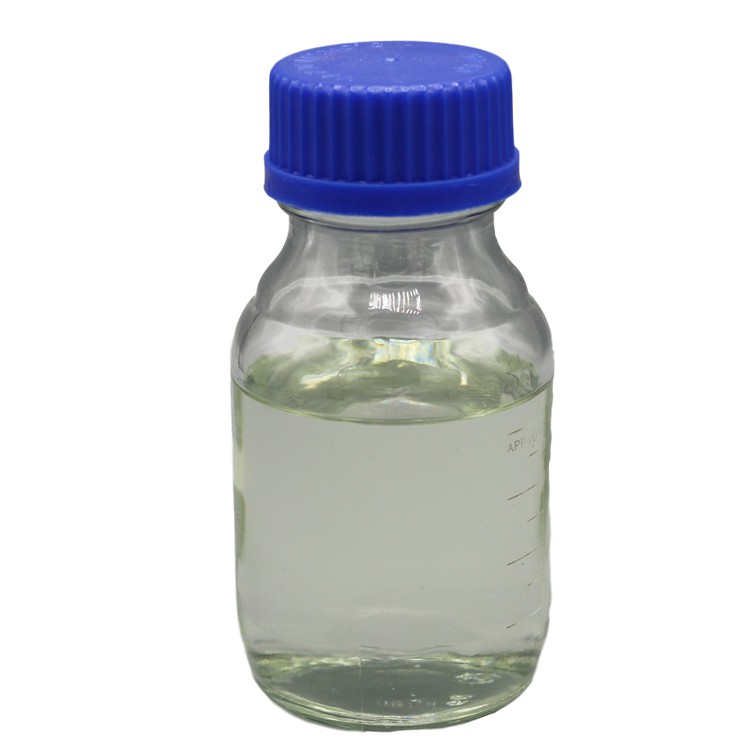
When it comes to the specific types of Gemini Surfactants, there are many out there. One example is the Ethoxylated Propoxylated 2 4 7 9 Tetramethyl 5 Decyne 4 7 Diol. It's a multifunctional additive that can have unique interactions with chitosan. It can enhance the wetting and dispersing properties of chitosan - based solutions. This is where it links to Wetting and Dispersing Agent applications. The non - ionic nature of some Gemini Surfactants like this one also plays a role. Non - ionic surfactants can interact with chitosan in a different way compared to ionic ones. You can learn more about non - ionic interactions from Nonionic Dispersing.
The interaction between Gemini Surfactant and chitosan is influenced by a few factors. The pH of the solution is a big one. As I mentioned earlier, the charge on chitosan depends on the pH. So, changing the pH can change the electrostatic interaction between the two substances. The concentration of both the Gemini Surfactant and chitosan also matters. If you have too much of one or the other, it can affect the formation and properties of the complexes.
The temperature can also play a role. Higher temperatures can increase the mobility of the molecules, which might change the way they interact. For example, at higher temperatures, the complexes might break down or their structure might change.
In terms of research, there's still a lot to learn about this interaction. Scientists are constantly looking into new ways to optimize the properties of the complexes and find more applications. For example, they're trying to figure out how to make the drug - delivery systems more efficient and how to improve the stability of the emulsions in food products.
If you're in an industry that could benefit from the interaction between Gemini Surfactant and chitosan, I'd highly recommend reaching out to discuss your needs. Whether you're in the pharmaceutical, food, or cosmetic industry, we can work together to find the right Gemini Surfactant for your chitosan - based applications. I'm always happy to have a chat about how these substances can work together to improve your products. So, don't hesitate to get in touch and start a conversation about procurement.
References
- "Surfactants and Interfacial Phenomena" by Milton J. Rosen and Dennis L. Kunjappu.
- "Chitosan: Properties and Applications" edited by Roberto A. A. Muzzarelli.
- Various research papers on the interaction between Gemini Surfactants and chitosan from scientific journals such as "Langmuir" and "Journal of Colloid and Interface Science".